
Shoe Rack Sizes & Capacity: How Many Pairs? (Kenya Guide)
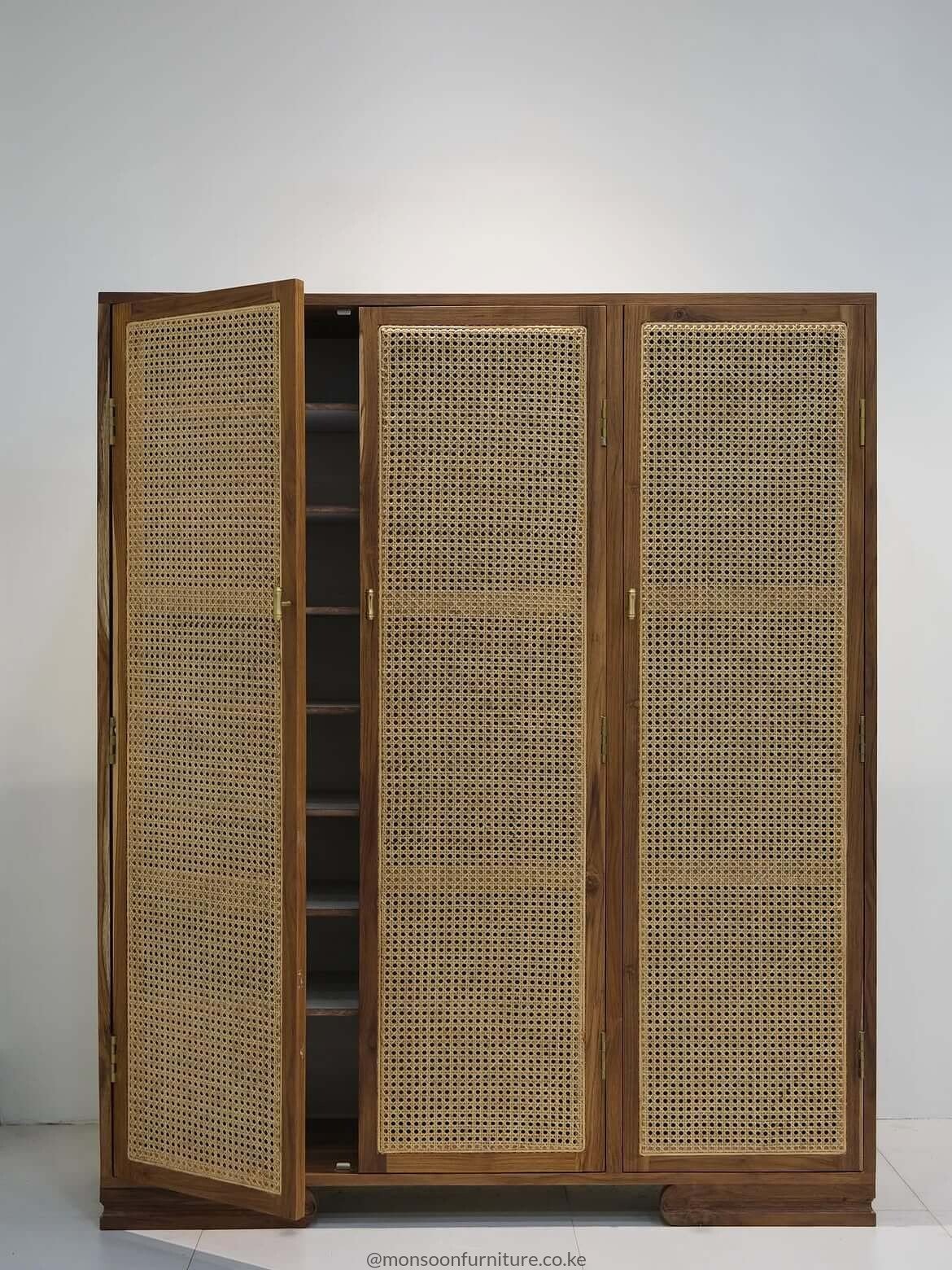
Almost every overflowing shoe rack in Kenya was bought without doing this arithmetic. The rack looked big in the showroom, the shoes did not fit, and within a month there was a pile beside it again.
This is the reference page for getting it right: how many pairs each size actually holds, how much space a pair needs, what shelf spacing your boots require, and how to work out the size your household needs. No sales pitch — just the numbers.
How many pairs does a shoe rack hold?
The master table. Figures assume a shelf roughly 80–90cm wide holding adult shoes side by side:
| Tiers | Capacity (adult pairs) | Typical height | Suits |
|---|---|---|---|
| 2-tier | 6–8 pairs | ~40–50cm | One person; under a console |
| 3-tier | 9–12 pairs | ~60–70cm | A bedsitter or single bedroom |
| 4-tier | 12–16 pairs | ~80–90cm | A couple; small apartment entryway |
| 5-tier | 15–20 pairs | ~100–110cm | A small family |
| 6-tier | 18–24 pairs | ~120–140cm | A family of four or more |
| Tall / dual-column | 24–30+ pairs | ~150cm+ | Large households; collectors |
Two adjustments worth making to those numbers. Children’s shoes take roughly half the width, so a family rack often exceeds the adult figure. Boots and bulky trainers take more, and may not fit standard spacing at all — covered below.
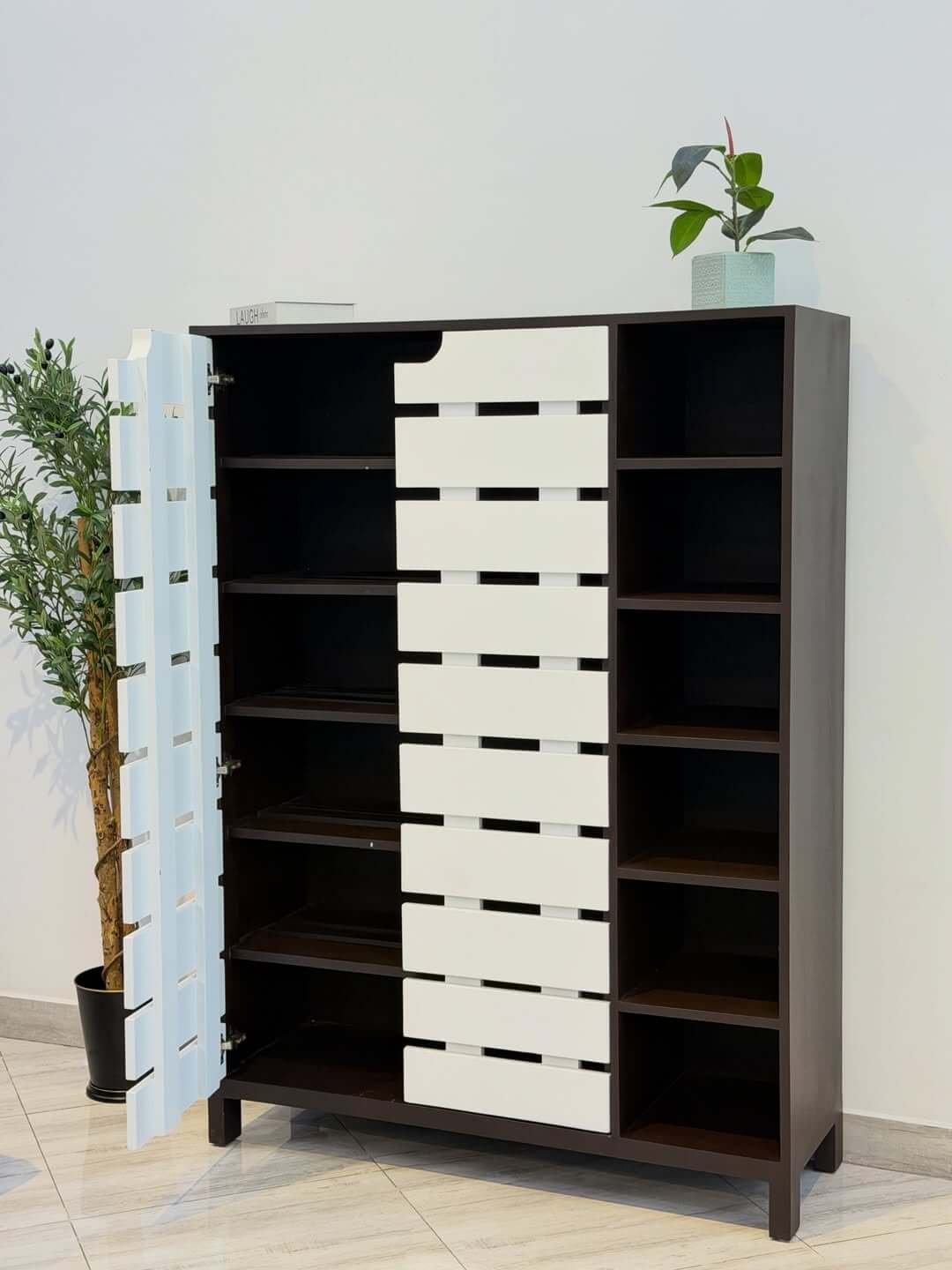
Two columns of shelves in one narrow width — the layout that pushes capacity past 24 pairs without eating floor space.
How much space does one pair need?
These three dimensions — width, depth, height — are what every capacity figure is built from:
| Dimension | Allow per pair | Why |
|---|---|---|
| Width | 20–25cm | Two adult shoes side by side |
| Depth | 30–35cm | Adult shoe length, lying flat |
| Height | 10–25cm+ | Varies most — see shelf spacing below |
Depth is the figure that decides whether a rack fits a corridor. At 30–35cm per shoe plus the frame, a standard open rack ends up 35–40cm deep. Tilt-out designs store shoes at an angle instead, bringing depth down to roughly 25–30cm.
Shelf spacing: the number that actually limits capacity
This is the most useful thing on this page. Two racks of identical height can hold very different collections, because one has six tightly spaced tiers and the other has four generous ones.
| Footwear | Vertical clearance needed | Notes |
|---|---|---|
| Flat shoes, sandals, slippers | ~10cm | Fit almost any tier spacing |
| Trainers / sneakers | ~15cm | Bulkier than they look; check thick soles |
| Heels | ~15–20cm | Height depends on the heel itself |
| Ankle boots | ~20–25cm | Usually need a dedicated lower tier |
| Tall boots | 40cm+ | Often need an open shelf or upright storage |
External dimensions tell you whether a unit fits your wall. Internal shelf spacing tells you whether your shoes fit the unit. If you own boots or chunky trainers, ask for the spacing between tiers before ordering — it is the single most common reason a rack disappoints.
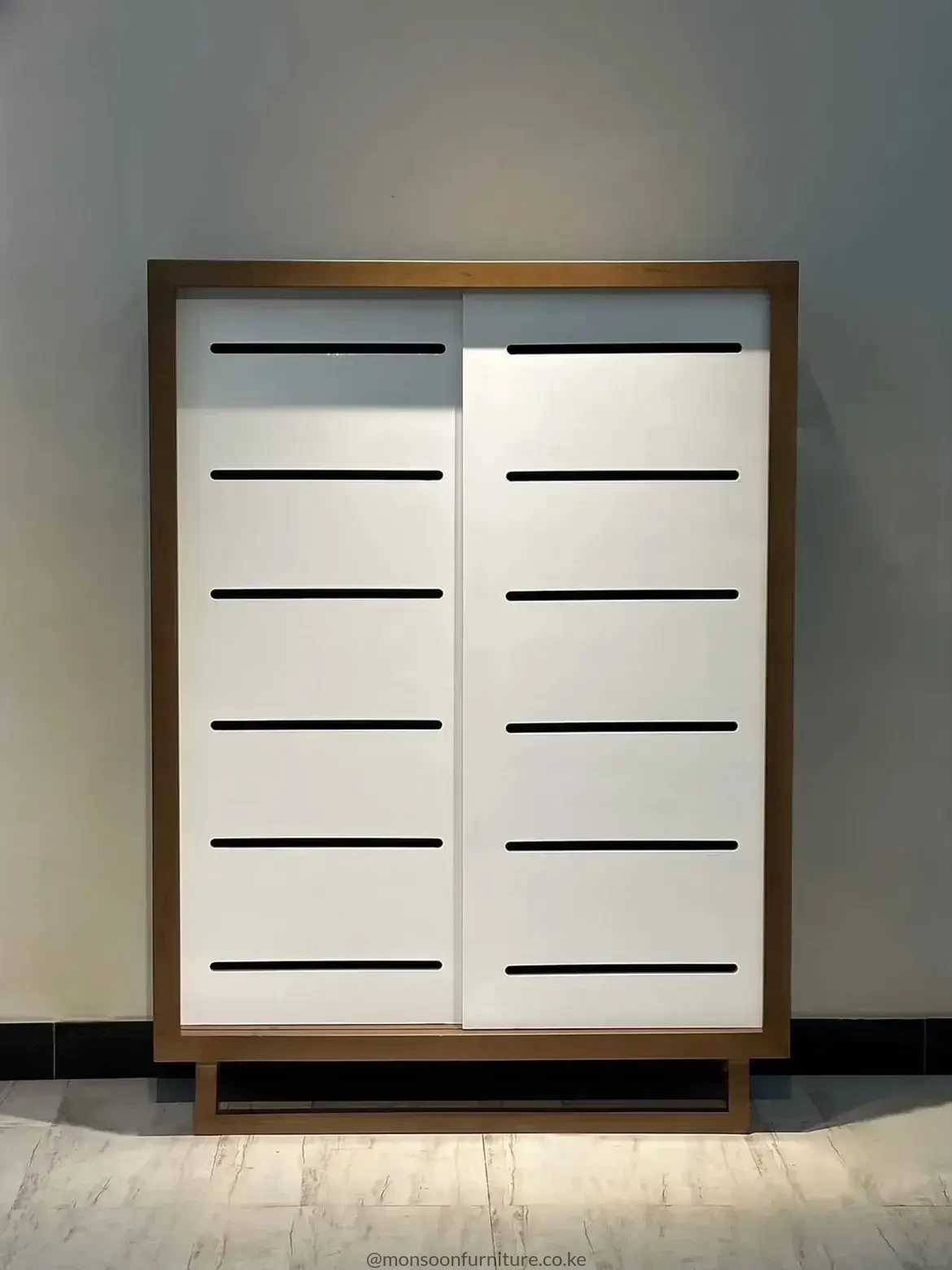
Generous spacing on some tiers, tighter on others — the arrangement that handles a real mixed collection.
Capacity by storage type
Format changes capacity as much as size does:
| Type | Capacity | Depth | Capacity per floor area |
|---|---|---|---|
| Open tiered rack | 9–24 pairs | 35–40cm | Moderate |
| Shoe cabinet | 12–30+ pairs | 30–40cm | Highest |
| Tilt-out cabinet | 12–18 pairs | 25–30cm | High for its depth |
| Storage bench | 6–14 pairs | 35–40cm | Lowest — but adds seating |
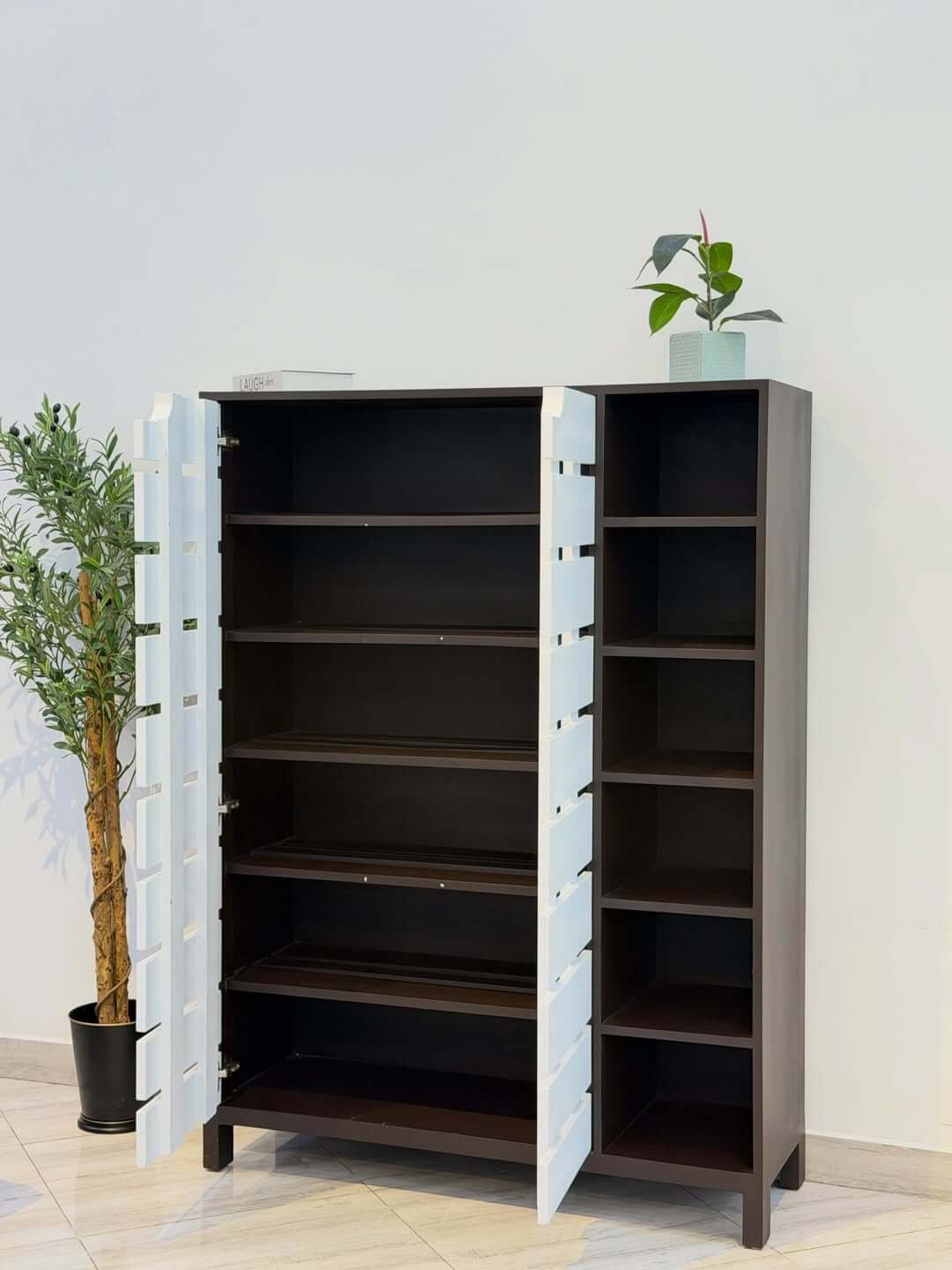
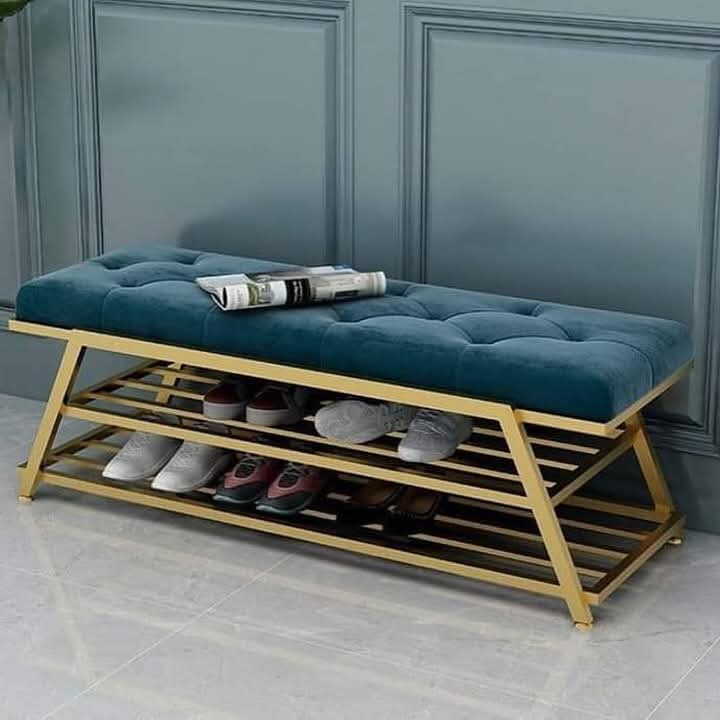
Left: many shelf levels, high capacity. Right: one tier under a seat — least storage, but it gives you somewhere to sit.
What size does your household need?
Work out the requirement first, then match it to a size from the table above:
| Household | Typical pairs | Size to look for |
|---|---|---|
| One person | 6–10 | 3-tier rack or a bench |
| A couple | 12–16 | 4-tier rack or compact cabinet |
| Family of three | 16–22 | 5–6 tier rack or cabinet |
| Family of four | 20–28 | Tall cabinet, or cabinet plus bench |
| Family of five or more | 28+ | Tall cabinet plus secondary storage |
Whatever number you count today, add about 25% and choose the next size up. Shoe collections only grow, and a rack that is exactly full on delivery day is overflowing within months. One extra tier costs far less than replacing the whole unit a year later.
Fitting the space: the measurements that matter
Capacity is only useful if the unit fits. The four numbers:
- Wall width — the run available, leaving a little clearance at each end.
- Depth — how far it can project. Under 30cm for a tight corridor.
- Remaining walkway — corridor width minus unit depth. Keep 70–80cm.
- Delivery route — final doorway, lift-door height, tightest stair or corridor turn.
If your space is genuinely awkward — an alcove, a very narrow passage, a stair void — our guide to shoe storage for small spaces covers the formats built for it.
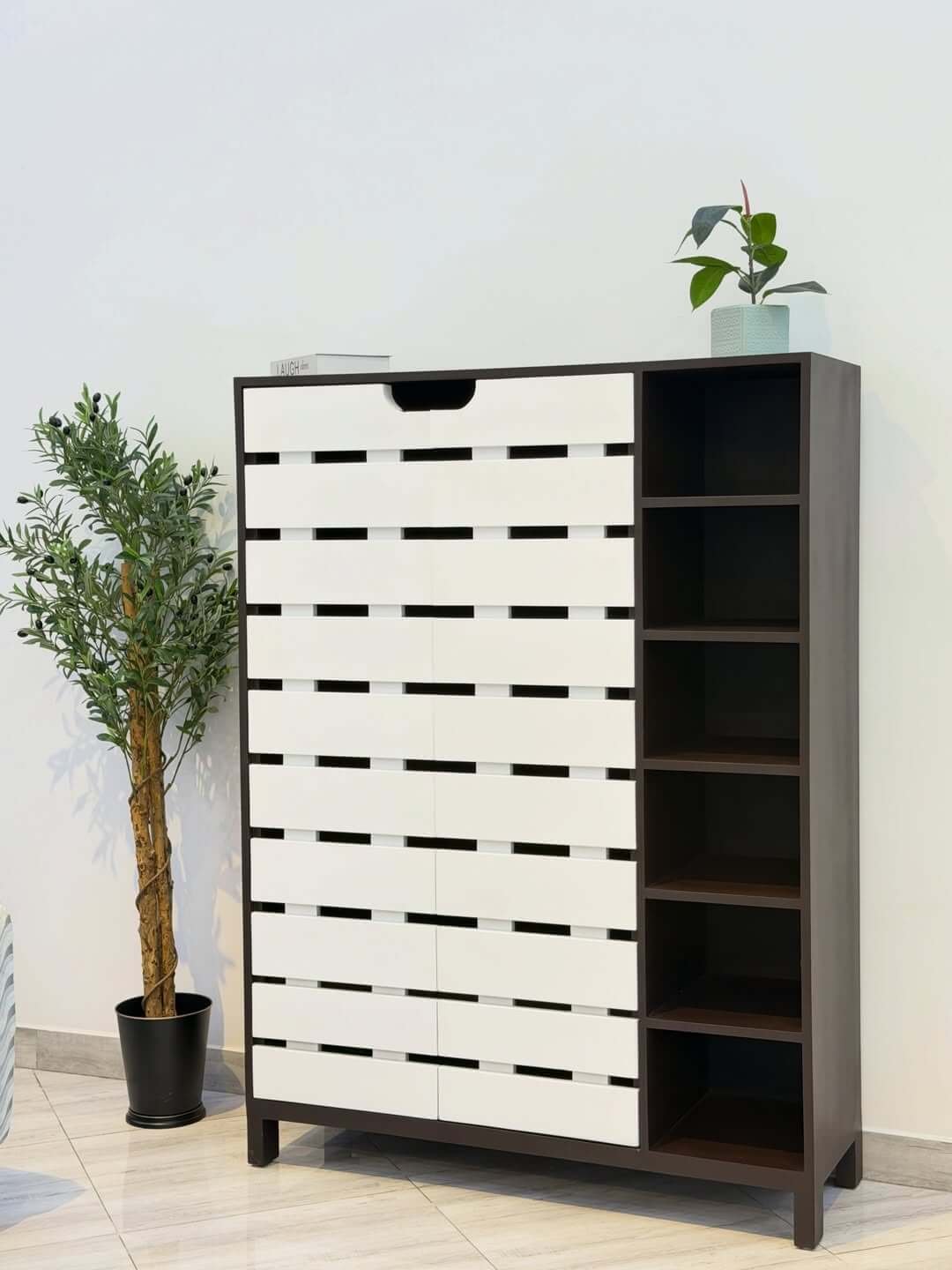
Width against the wall, depth against the corridor — both have to work, not just one.
Five capacity mistakes to avoid
- Sizing for today. Collections grow. Add 25% and go one size up.
- Ignoring shelf spacing. Six tight tiers can hold fewer usable pairs than four generous ones.
- Forgetting boots. If you own them, you need at least one tier with 25cm or more of clearance, or an open base shelf.
- Judging by outside size. A tall unit with few internal levels holds less than a compact one that is well divided.
- Choosing too much depth. A 40cm rack in a 90cm corridor leaves only 50cm to walk through.
Quick reference
| Question | Answer |
|---|---|
| Pairs per tier? | 3–4 adult pairs |
| Width per pair? | 20–25cm |
| Depth needed? | 30–35cm (rack 35–40cm; tilt-out 25–30cm) |
| Height per tier? | 10cm flats · 15cm trainers · 20cm heels · 25cm+ boots |
| Pairs per person? | 6–8 adult · 4–6 child |
| Walkway to leave? | 70–80cm clear |
With the size settled, the next question is format — open, closed or seated. Our comparison of racks, cabinets and benches works through that, and the main shoe racks guide covers materials and designs.
Not sure which size you need?
Send your shoe count and wall measurements on WhatsApp and we’ll tell you what size actually fits — or build a unit with shelf spacing set for your boots. Free delivery within Nairobi.
Frequently asked questions
How many pairs does a 6-tier shoe rack hold?
A 6-tier shoe rack holds roughly 18–24 pairs of adult shoes, based on three to four pairs per tier on a shelf about 80–90cm wide. Children’s shoes take around half the width, so a family rack often holds more. Bulky trainers and boots reduce the figure.
How much space does a pair of shoes need on a rack?
A pair of adult shoes side by side needs about 20–25cm of shelf width and 30–35cm of depth. Vertical clearance varies by shoe: roughly 10cm for flats, 15cm for trainers, 15–20cm for heels and 25cm or more for ankle boots. Children’s shoes need about half the width.
What shoe rack size do I need for a family of four?
A family of four typically needs storage for 20–28 pairs, allowing six to eight pairs per adult and four to six per child. That points to a tall shoe cabinet, or a cabinet paired with a bench for daily shoes. Count your actual pairs, add about 25%, then round up.
How deep should a shoe rack be?
A shoe rack needs 30–35cm of internal depth for adult shoes lying flat, which makes most open racks 35–40cm deep overall. Tilt-out cabinets store shoes at an angle and reduce this to about 25–30cm. Leave 70–80cm of clear walking space in front of whichever you choose.
Capacity, spacing and dimension figures on this page are general guidance based on typical adult footwear, intended for planning. Actual capacity varies with a unit’s internal shelf spacing and the shoes you own — confirm internal measurements for a specific product before ordering.

Add a review
Your email address will not be published. Required fields are marked *