
How Many Pillows on a Bed? Kenyan Size Guide
A well-dressed bed is the quickest way to make a bedroom look finished — and the number of pillows is where most people either under-do it or pile on so many there’s nowhere to sleep.
Every guide online answers this in “king” and “queen” sizes. In Kenya we don’t buy beds that way — we buy 4×6, 5×6 and 6×6. So this guide translates pillow-count advice to the bed sizes Kenyans actually sleep on, adds the hotel-look formula, and covers the part nobody enjoys but everyone needs: pillow hygiene in our climate.
How many pillows by Kenyan bed size?
Bed sizes in Kenya are measured in feet — a “5×6” is five feet wide by six feet long. That measurement decides how many pillows sit comfortably across the head of the bed without crowding it. Here’s the full guide, the first written for Kenyan bed sizes.
| Bed size (ft) | Approx. width | Sleeping pillows | Decorative | Total for a styled look |
|---|---|---|---|---|
| 3×6 (single) | ~90cm | 1 | 1 accent | 2 |
| 4×6 (small double) | ~120cm | 2 | 1–2 accent | 3–4 |
| 5×6 (double / queen) | ~150cm | 2 | 2 shams (+1 lumbar) | 4–5 |
| 6×6 (king) | ~180cm | 2 | 2 shams + 1–3 accents | 5–7 |
| 6×7 (super king) | ~180cm × 210cm | 3 | 2–4 accents | 5–7 |
The rule of thumb: two sleeping pillows are the working minimum for any double bed, and every layer after that is styling. If you actually use the bed hard every day, stay at the lower end — fewer pillows to move each night. If the bedroom is more of a showpiece or a guest room, go to the upper end. Browse frames these counts suit in our range of bed frames in Kenya.
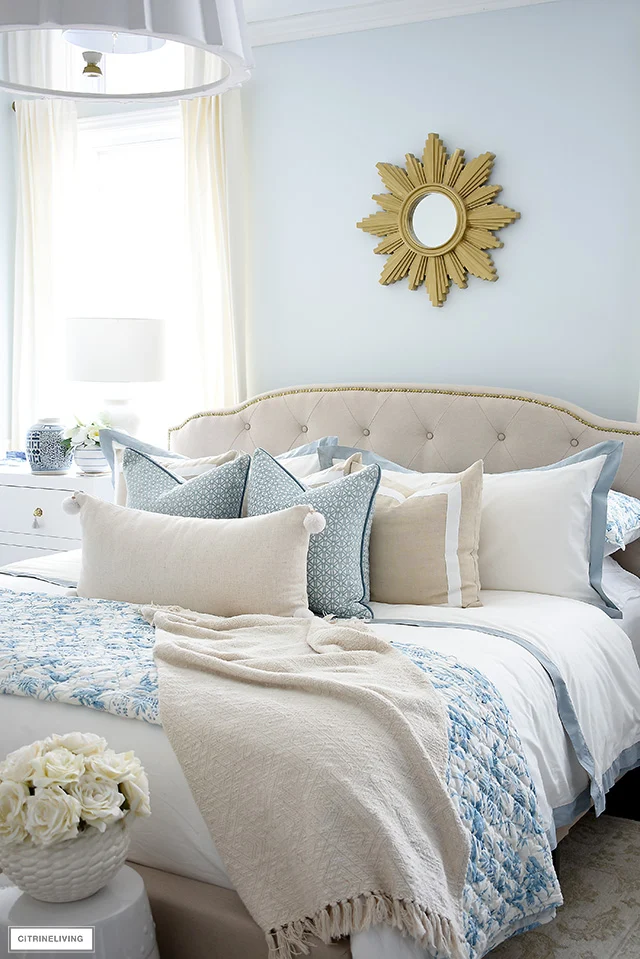
A 5×6 done well: two sleeping pillows, two shams standing behind, one accent in front.
Sleeping pillows vs decorative pillows
This is the distinction that makes bed styling make sense. Your sleeping pillows are functional — chosen for how they support your neck, and covered in pillowcases you actually sleep on. Your decorative pillows — Euro shams standing tall at the back, and smaller accent or lumbar cushions in front — exist to make the bed look good during the day.
The layout is simple: shams stand upright against the headboard, sleeping pillows lie flat in front of them, and one or two accent cushions finish the front. It’s the same back-to-front logic we use for cushions on a sofa in our sofa cushion styling guide — tallest at the back, smallest in front.
Where do decorative pillows go at night?
Off the bed. Keep a small bench, ottoman, basket or a shelf in the bedroom for the accent pillows and shams to land on overnight. This isn’t just tidiness — the pillows you don’t sleep on stay far cleaner if they’re not against your face for eight hours, and your sleeping pillows last longer without decorative covers shedding fibres and dust onto them.
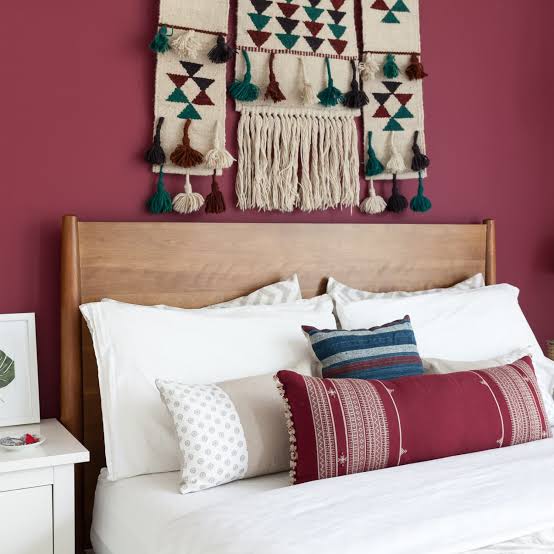
Shams stand at the back, sleeping pillows lie flat in front — the layering order that reads as “made”.
The hotel-look formula for Kenyan bedrooms
Hotels look expensive because they follow one strict rule: a white base, layered in order, with a single accent. Copy the order and you copy the look.
- Start with white bedding. A white duvet and white sleeping pillows are the hotel foundation — crisp, calm and timeless.
- Stand two Euro shams at the back. Large square pillows (65×65cm) upright against the headboard build height.
- Lay two sleeping pillows flat in front. Your everyday pillows in fresh white cases.
- Add one or two accent cushions. A single colour — mustard, sage, terracotta or navy — in front, as the only pop of colour.
- Finish with a folded throw. A woven or knit throw across the foot of the bed adds the final layer of texture.
The accent colour is where you make it yours. Pull it from your curtains or a piece of art, and repeat it just once or twice — the same one-accent discipline that works on a sofa. Pair the look with quality bedding and duvet sets and a supportive mattress underneath, and the bed does the work of the whole room.
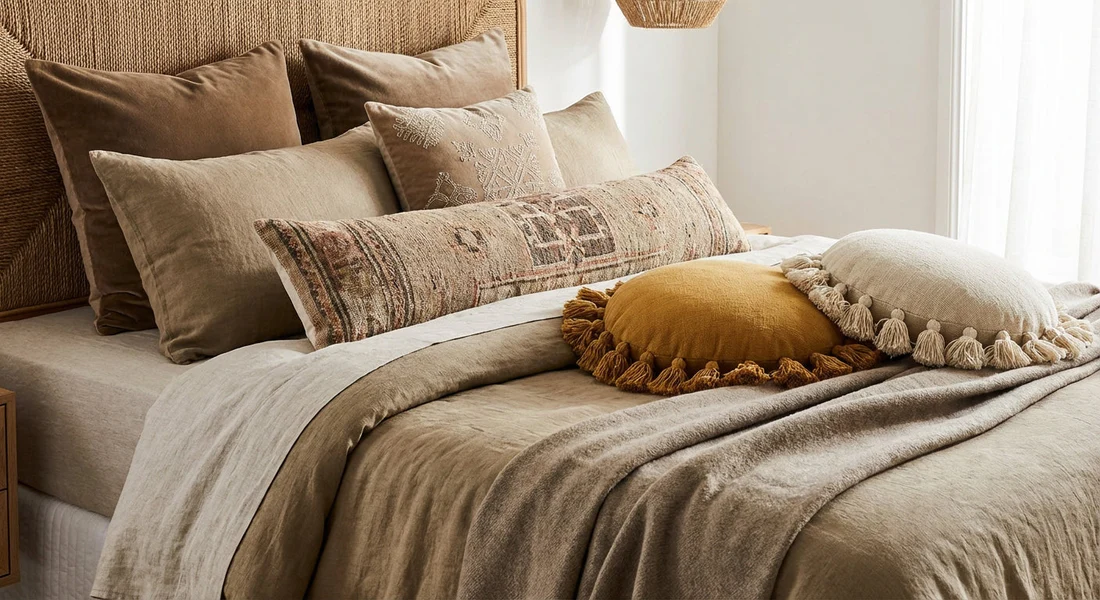
White base, one warm accent, one texture — the hotel formula in a single pillow.
Pillow hygiene in Kenya: washing, airing and when to replace
This is the part most guides skip, and it matters more in our climate. A pillow is warm, used for seven or eight hours a night, and over time it builds up skin cells, moisture and dust — which is why sleep-health organisations like the Sleep Foundation and the Asthma and Allergy Foundation of America recommend replacing sleeping pillows roughly every one to two years and washing them a couple of times a year.1 The often-quoted figure is that a significant share of an old pillow’s weight can come from accumulated dust mites and their residue.2
Kenya gives you one big advantage the Northern-hemisphere guides don’t have: sun. Dust mites hate dry heat and UV, so airing pillows in direct sunlight for a few hours does real work between washes. Here’s a simple routine for a Kenyan bedroom:
| Item | Wash | Air in sun | Replace |
|---|---|---|---|
| Pillowcases | Weekly | — | With the set |
| Sleeping pillows | Every 3–6 months | Monthly | Every 1–2 years |
| Decorative covers | Every 2–4 weeks | As needed | When faded |
| Decorative inserts | Every 3–6 months | Monthly | Every few years |
Fold a sleeping pillow in half and place a light book on top. A pillow with life left springs back open when you remove the book. If it stays folded, it has lost its support — time to replace it. Works for fibre and feather pillows; memory foam should simply hold its shape.
A note on buying to last: a slightly better pillow that survives two years of washing and sun-airing costs less per year than a cheap one you replace every few months — the same logic that runs through our guide to the best cushions for a sofa in Kenya.
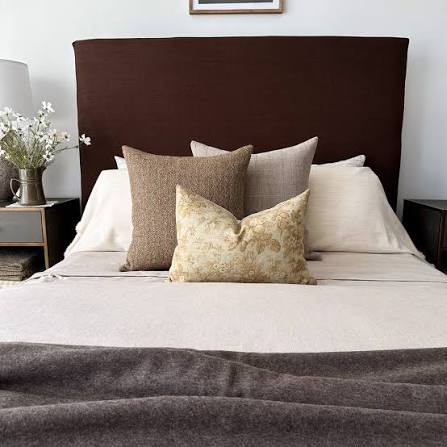
A fresh, well-aired white base is the foundation of both the hotel look and good pillow hygiene.
Dress your bed properly
From the mattress up to the accent pillow, we can help you build a bed that looks like a hotel and lasts like furniture. Ask us on WhatsApp or browse the bedroom range.
Frequently asked questions
How many pillows for a 5×6 bed?
A 5×6 bed (about 150cm wide) suits four to five pillows for a styled look: two sleeping pillows lying flat, two Euro shams standing behind them, and one optional lumbar or accent cushion in front. For everyday use without styling, two sleeping pillows are enough — the rest are removed at night.
What pillows do hotels use?
Hotels build a white base with layered pillows: two large Euro shams standing at the back, two sleeping pillows flat in front, and one or two accent cushions in a single colour. The white bedding and strict layering order are what create the crisp, luxurious hotel look you can copy at home.
Where do decorative pillows go at night?
Off the bed. Keep a bench, ottoman or basket in the bedroom for shams and accent cushions overnight. Removing them protects your sleeping pillows from the dust and fibres decorative covers shed, keeps the decorative pieces cleaner, and makes the bed faster to remake each morning.
Sources:
1. Sleep Foundation, “How Often Should You Replace Your Pillows”; Asthma and Allergy Foundation of America, pillow replacement guidance.
2. Asthma and Allergy Foundation of America, on dust-mite accumulation in used pillows.
General guidance only, not medical advice. Anyone with allergies or asthma should follow their doctor’s recommendations.

Add a review
Your email address will not be published. Required fields are marked *