
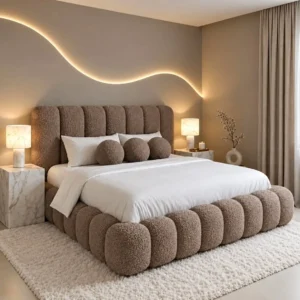
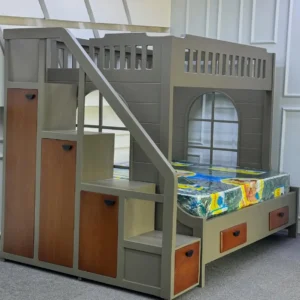

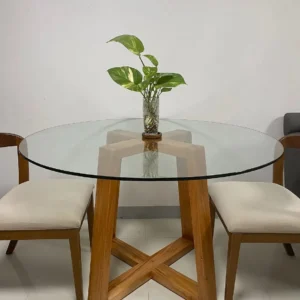
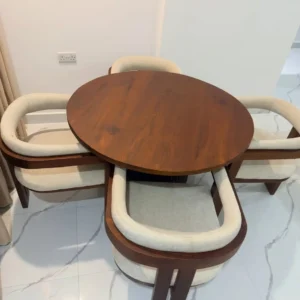



























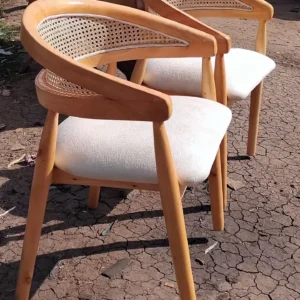
Top Furniture Sellers in Kenya 2026: A Spotlight on Locally Made Items
Introduction to the Kenya Furniture Market
The furniture market in Kenya has experienced significant transformation over recent years, fueled by economic growth and evolving consumer preferences. As of 2026, the demand for locally made furniture is surging, reflecting a robust national pride in craftsmanship and supporting the local economy. This trend has not only transformed the market dynamics but has also paved the way for numerous furniture sellers who prioritize sustainable sourcing and manufacturing methods.
Consumers in Kenya are increasingly favoring locally produced items not only for their quality but also for their environmental impact. The emphasis on sustainability has led to a rise in furniture designs that utilize locally sourced materials, which reduces the carbon footprint associated with shipping items from overseas. This shift is a critical factor in the furniture industry, as consumers are becoming more conscious of their purchases and their implications on the environment and local communities.
Moreover, the growing popularity of interior design trends encourages consumers to invest in bespoke solutions that match their unique tastes and lifestyles. Furniture sellers in Kenya are responding to this demand by offering tailor-made solutions that emphasize local craftsmanship, thus enhancing the relationship between artisans and consumers. Furthermore, the integration of modern technology in design and manufacturing processes has allowed these sellers to broaden their reach while maintaining high-quality standards.
In summary, the Kenya furniture market is on an upward trajectory characterized by a strong preference for locally made products. As consumers continue to gravitate toward sustainable options, the local industry is poised for further growth, providing opportunities for artisans and businesses alike. The subsequent sections will delve deeper into the top furniture sellers in Kenya, who are at the forefront of this evolving market.
Criteria for Selecting the Best Furniture Sellers
When searching for the best furniture sellers in Kenya, several key criteria should guide the selection process. Firstly, product quality is crucial. Buyers should prioritize sellers who offer well-constructed items resistant to wear and tear, ensuring longevity and satisfaction.
Next, the price range of the furniture is another essential factor. Understanding what each seller offers in terms of price helps consumers gauge whether they are receiving good value for their investment. Furniture should provide a balance between affordability and quality, ensuring that customers do not have to compromise on either front.
Craftsmanship plays a significant role in the overall appeal of furniture. Sellers who emphasize skilled craftsmanship contribute to unique and aesthetically pleasing pieces, distinguishing themselves in a competitive market. This attention to detail not only enhances the appearance of the furniture but also reflects the seller’s dedication to quality.
Sustainability practices are increasingly important in today’s eco-conscious world. Furniture sellers committed to using sustainable materials and ethical practices resonate well with consumers who value environmental responsibility. Such sellers demonstrate a commitment to social and ecological welfare, which can enhance their reputation and customer loyalty.
Moreover, exceptional customer service is vital. Prompt assistance, knowledgeable staff, and a willingness to address customer concerns significantly elevate the buying experience. A furniture seller that prioritizes customer satisfaction is likely to foster a loyal customer base.
Lastly, design variety allows consumers to find pieces that complement their unique tastes and preferences. Sellers that offer a diverse range of styles, from traditional to modern, cater to a broader audience and enhance the likelihood of meeting customer needs. By considering these criteria, customers can effectively identify the top furniture sellers in Kenya and make informed purchasing decisions.
Top 5 Furniture Sellers in Kenya for 2026
As the demand for quality furniture continues to rise in Kenya, here is a detailed look at the top five furniture sellers in the country for the year 2026. These companies not only provide a diverse range of locally made items, but they have also established a strong reputation in the furniture industry.
1. Nguvumali Furnitures: Founded in 2010, Nguvumali Furnitures has gained recognition for its commitment to sustainable practices and locally sourced materials. Specializing in wooden furniture, their product range includes dining sets, beds, and office furniture. Nguvumali emphasizes artisanal craftsmanship, ensuring each piece is both functional and aesthetically pleasing. Their pricing strategy is competitive, making quality furniture accessible to a broader audience.
2. Hifadhi Designs: Established in 2015, Hifadhi Designs focuses on innovative and contemporary designs that cater to the modern Kenyan home. They offer a range of locally made items, including sofas and outdoor furniture. The company prides itself on excellent customer service, providing personalized fittings and consultations. Hifadhi’s pricing strategy is transparent, often reflecting the quality of craftsmanship involved.
3. Kijani Creations: This company has carved a niche for itself in eco-friendly furniture. Founded in 2012, Kijani Creations specializes in upcycled materials, creating unique items that tell a story. Their commitment to environmental sustainability resonates with eco-conscious consumers. The pricing is moderate, making them a popular choice among middle-class families.
4. Jenga Furniture: Known for its luxurious offerings, Jenga Furniture combines sophistication with Kenyan aesthetics. Launched in 2009, they cater to high-end clients seeking exclusive designs. Jenga’s customer service is noted for attentiveness and bespoke solutions. Pricing in this segment is premium, reflecting the high quality of materials used.
5. Mambo Made: Mambo Made, established in 2017, emphasizes versatility and functionality in their furniture designs. They cater to both residential and commercial spaces, providing custom solutions to meet various client needs. Their approach to customer service illustrates their dedication to satisfaction and engagement with clients, offering fair pricing that balances quality and affordability.
Highlighting Local Artisans and Craftsmanship
In recent years, the furniture industry in Kenya has increasingly celebrated the unique skills of local artisans whose craftsmanship stands as a testament to rich cultural heritage. These craftsmen and craftswomen employ time-honored techniques, blending traditional methods with contemporary designs, creating furniture that is not only functional but also aesthetic. Their work often reflects the stories and traditions of various Kenyan communities, thereby serving as a distinctive representation of the nation’s rich cultural background.
For instance, artisan Samuel Ndung’u, based in Nyeri County, expressed, “Every piece I create has a story. I use materials that are indigenous to my area, ensuring that I keep the local culture alive through my designs.” This sentiment resonates widely among artisans across the country, who infuse character into their work, differentiating local products from mass-produced alternatives.
The craftsmanship of local artisans often includes elaborate carvings and intricate designs that carry deep symbolism, echoing both spiritual beliefs and community values. These handcrafted items bring forth an appreciation for creativity and sustainable practices that align with the growing demand for eco-friendly furniture.
The local artisans not only contribute to the economy by creating job opportunities and advocating for locally sourced materials but also promote the narrative of preserving our cultural identity. Their resilience in the face of modern furniture trends is noteworthy, as they incorporate both ancient techniques and modern aesthetics, appealing to a broad spectrum of clientele. As consumers become more aware of the origins of their furniture, the work of local artisans serves as a reminder of the value of investing in quality, culturally-rich products.
Sustainability in Kenya’s Furniture Industry
The furniture industry in Kenya has increasingly embraced sustainability as a core principle, reflecting a growing awareness of environmental issues. Leading furniture sellers are adopting various sustainable practices that not only enhance their product offerings but also align with global trends towards eco-friendly consumption.
One prominent aspect of sustainability in this sector is the use of eco-friendly materials. Many furniture producers are shifting away from the traditional use of hardwoods to alternative materials that are sourced responsibly. For instance, bamboo and reclaimed wood are now commonly used in furniture creation, providing a lower impact on forests while still offering aesthetic appeal and durability. These materials are not only renewable but also contribute to a reduced carbon footprint throughout the production process.
In addition to material choices, recycling initiatives play a crucial role in promoting sustainability among furniture sellers. Several companies actively encourage customers to recycle old furniture, offering incentives such as discounts on new purchases in return for returned items. This approach not only helps reduce waste in landfills but also fosters a culture of recycling and reusing within the community. Furthermore, some manufacturers are implementing closed-loop systems, where the remnants of production are repurposed into new products, ensuring minimal waste.
Ethical sourcing is another pillar of sustainability that is gaining traction. Many furniture sellers prioritize acquiring materials from suppliers who adhere to ethical labor practices and invest in the welfare of their workers. This commitment to responsibility ensures that their business operations support fair working conditions while also promoting economic development in local communities.
By supporting furniture sellers in Kenya that prioritize these sustainable practices, consumers can make environmentally conscious choices that contribute to a healthier planet while also investing in quality, locally made items.
Trends Influencing Furniture Design in Kenya
The furniture market in Kenya is increasingly evolving, driven by changing consumer preferences and emerging design trends. Contemporary styles that blend traditional craftsmanship with modern aesthetics are gaining popularity. This melding of styles reflects a broader global influence while also celebrating local artistry. Kenyan furniture sellers are adapting by offering unique pieces that cater to diverse consumer tastes, encompassing everything from minimalist designs to more elaborate traditional styles.
One notable trend is the growing preference for sustainable materials. Consumers are increasingly conscious of environmental impacts, prompting furniture manufacturers to utilize locally sourced wood and eco-friendly materials. This shift not only supports local economies but also encourages the preservation of natural resources. Products made from reclaimed wood or bamboo are gaining traction, appealing to eco-conscious buyers and interior designers alike.
Color palettes are also evolving within the Kenyan furniture landscape. Warm earth tones, vibrant colors, and intricate patterns are prevalent, reflecting the rich cultural heritage of the region. By integrating these colors into furniture designs, sellers can create pieces that evoke a sense of place and identity. As such, many furniture sellers are blending contemporary color trends with traditional motifs, thus enhancing the aesthetic appeal of their offerings.
Moreover, the rise of multifunctional furniture cannot be overlooked. As urban living spaces become smaller, Kenyans are seeking furniture solutions that maximize space without compromising on style. Adaptable pieces such as foldable tables or storage-friendly designs are becoming essential items in many households. This trend signifies the resilience of furniture sellers, who continuously innovate to meet the demands of their customers.
In conclusion, the furniture design trends in Kenya are a product of cultural fusion, sustainability, and practicality. By embracing these trends, furniture sellers are not only enhancing consumer choices but also defining the future of furniture design in the region.
Customer Reviews and Experiences
Customer reviews play an essential role in shaping the reputation of furniture sellers in Kenya. They provide valuable insights into the quality of products and services offered by various local furniture manufacturers. Many consumers rely on testimonials and online ratings to make informed purchasing decisions. Thus, understanding the experiences of other customers is crucial for prospective buyers.
A significant number of reviews about furniture sellers highlight the craftsmanship and durability of locally made items. Customers frequently express satisfaction with the materials used, citing the use of sustainable and high-quality resources. Reviews often showcase not only the aesthetics of the furniture but also its functionality and longevity, which are essential factors in any buyer’s selection process.
Additionally, customer service experiences are another area where feedback is prominent. Several sellers have garnered positive remarks for their responsiveness and overall customer relations. Buyers appreciate when furniture sellers are approachable and willing to accommodate concerns regarding delivery times, refunds, and custom orders. Prompt communication and the ability to resolve issues are often mentioned in positive testimonials.
Conversely, there are also reviews that address negative experiences. Some customers report delays in delivery, miscommunication regarding orders, or dissatisfaction with the final product compared to expectations set by initial discussions. Such feedback is vital, as it provides furniture sellers with insights on areas for improvement and customer service enhancements.
In summary, customer reviews and experiences reveal a spectrum of satisfaction levels among buyers of locally made furniture in Kenya. The themes of product quality, customer service, and overall experience are critical in establishing or undermining a seller’s reputation in this competitive market. Continuous monitoring and incorporation of customer feedback can help furniture sellers bolster their offerings and ensure a positive consumer experience.
Where to Find These Furniture Sellers
Finding top furniture sellers in Kenya, particularly those offering locally made items, involves several avenues. Enthusiasts can explore both physical storefronts and online platforms, ensuring access to a vast array of quality furniture options and artisan craftsmanship.
For those who prefer a tactile shopping experience, visiting local furniture stores is paramount. Major cities like Nairobi and Mombasa boast established furniture retailers, some of which specialize in handcrafted items. Notable locations include Jumia Furniture Showroom in Nairobi, a hub where customers can experience the beauty of crafted furniture firsthand. Additionally, Habitat Furniture in Westlands provides an array of eco-friendly options that showcase local talent and materials.
Online platforms also provide a convenient means for shoppers to browse and purchase their desired items. Websites such as Jumia, Kilimall, and Mookh offer extensive catalogs of locally produced furniture, featuring various styles from contemporary to traditional. These platforms often include customer reviews and detailed product descriptions, enhancing the overall shopping experience.
Beyond conventional stores and online shopping, upcoming exhibitions and markets present unique opportunities to discover local furniture sellers. Events such as the Nairobi International Trade Fair and Kenya Homes Expo frequently showcase local artisans and furniture manufacturers, allowing attendees to interact directly with creators and purchase unique items. Engaging with these shows not only supports the local economy but also enriches customers’ understanding of Kenya’s furniture craftsmanship.
In summary, whether visiting physical stores, exploring online options, or attending exhibitions, consumers can find a multitude of furniture sellers in Kenya that highlight locally made products. This diverse shopping landscape ensures that individuals can discover pieces that resonate with their personal style while supporting local artisans and the furniture sector.
Conclusion: Supporting Local Furniture Makers in Kenya
In reviewing the landscape of furniture sales in Kenya, it becomes increasingly clear that supporting local furniture makers is not just an act of consumer preference; it is a vital contribution to the nation’s economy. By purchasing locally made items, consumers play a pivotal role in empowering artisans and small businesses, which are essential for creating jobs and stimulating local investments.
Choosing locally crafted furniture can also lead to enhanced quality and uniqueness in home decor. Local artisans often infuse their work with cultural significance and traditional craftsmanship that mass-produced furniture lacks. This creates not only beautiful pieces for homes but also fosters a narrative of heritage and identity within the products sold. By investing in these products, purchasers can ensure that they are acquiring items that stand out and reflect rich local traditions.
Moreover, supporting local furniture sellers helps to reduce the carbon footprint associated with importing furniture from overseas. It fosters sustainability within the community, emphasizing the importance of environmentally friendly practices and the use of locally sourced materials. As the demand for responsibly produced goods increases, local furniture makers are rising to the occasion, offering items that are not only aesthetically pleasing but also sustainable.
As we look towards the future, consumers are encouraged to engage with and explore the diverse offerings from local furniture makers across Kenya. By making informed purchasing decisions, individuals can help to nurture the local economy, promote craftsmanship, and ensure the longevity of these artisans’ trades. In reflecting upon the significance of supporting local businesses, it is clear that such actions yield impactful benefits that extend beyond mere transactions, ultimately contributing to a thriving, resilient community.
Add a review
Your email address will not be published. Required fields are marked *