Solid Hardwood vs MDF Furniture: What Actually Lasts in Kenya
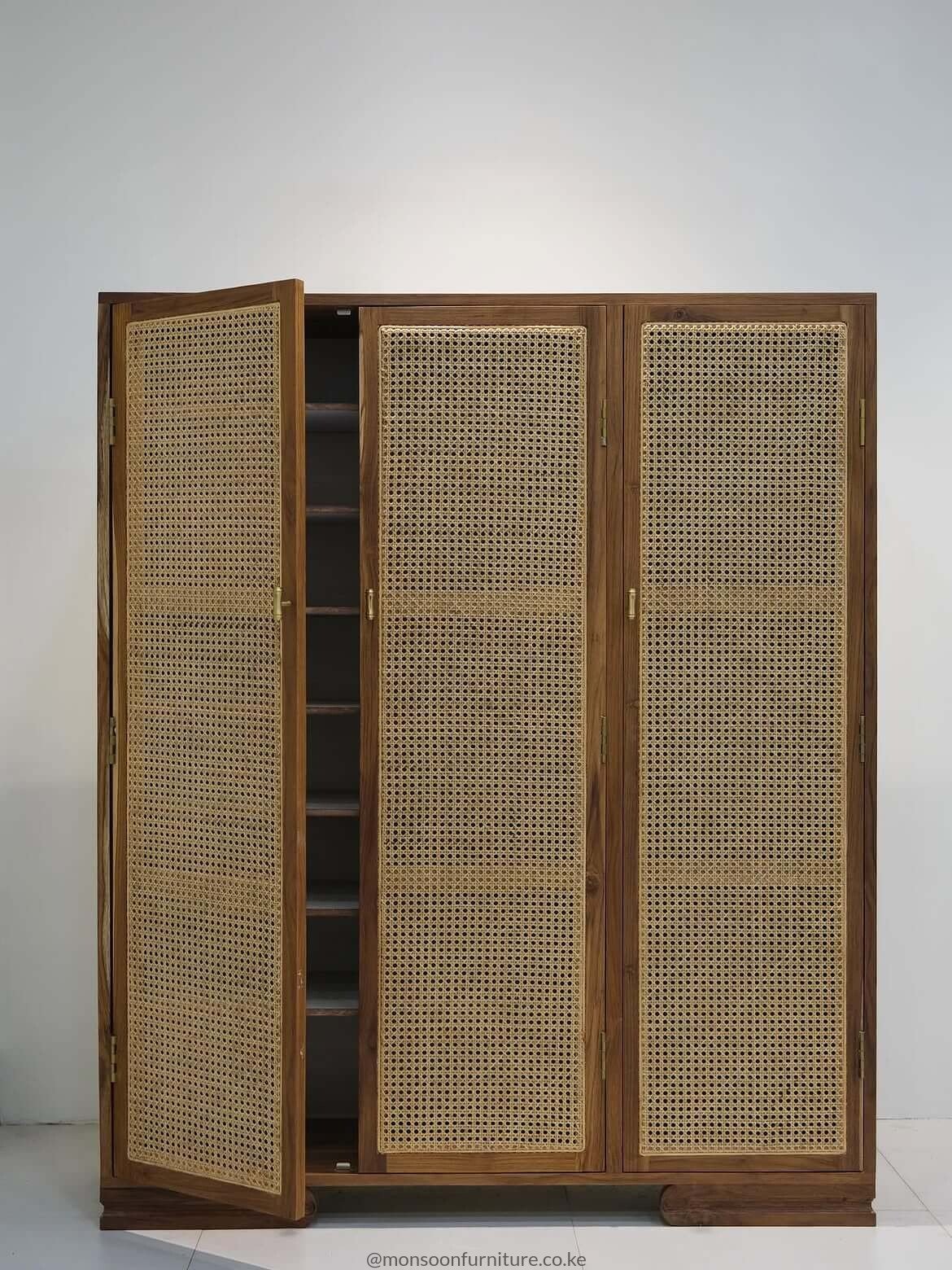
Almost every furniture purchase in Kenya comes down to this one decision, and it is usually made on price alone. That is understandable — but a KSh 20,000 board unit and a KSh 45,000 hardwood piece are not the same product at different prices. They are different materials with different failure modes.
This guide is a whole-house comparison: what engineered board actually is, how each material behaves over ten years in Kenyan conditions, where board genuinely wins, and the honest condition attached to the "hardwood is cheaper long-term" argument.
"MDF" is not one material
Lumping these together is the biggest mistake buyers make, because their quality range is enormous — good plywood outlasts poor solid timber, while chipboard fails fast.
| Material | What it is | Strength | Water |
|---|---|---|---|
| Solid hardwood | Timber cut from a tree | Highest | Stable when finished |
| Plywood | Thin layers glued cross-grain | High — resists flexing | Good if edges are sealed |
| Blockboard | Timber strip core between veneers | Good for long spans | Moderate |
| MDF | Fine fibres pressed with resin | Moderate; smooth surface | Poor — swells irreversibly |
| Chipboard | Coarse chips pressed with resin | Lowest | Worst — crumbles when wet |
When a seller says "engineered wood", ask which one. The gap between plywood and chipboard is wider than the gap between plywood and cheap solid timber.
Ten years in a Kenyan home
Four local conditions decide the outcome:
| Condition | Solid hardwood | MDF / chipboard |
|---|---|---|
| Humidity | Stable once finished and properly dried | Absorbs moisture through edges and chips |
| Spills & mopping | Wipe and re-oil | Swells permanently — cannot shrink back |
| Termites | Resistant when finished | Vulnerable, especially if damp |
| Daily load | Holds screws and joints for decades | Screw holes enlarge; joints loosen |
| Sun | Fades slowly; can be refinished | Printed finish fades and cannot be restored |
The irreversibility is the point. A scratched hardwood table is sanded and re-oiled. A swollen MDF edge stays swollen for the rest of the item's life.
Where board furniture fails first
Knowing the failure points tells you where board is risky:
- Edges and corners. The finish is a wrap or film. Once it chips, the exposed core takes in moisture from the air alone.
- Screw fixings under load. Board holds a screw well once. After repeated stress — a bed frame, a chair, a drawer used daily — the hole enlarges and the joint works loose.
- The bottom edge. Routine mopping wicks water into the base of a board unit. This is the single most common cause of swelling in Kenyan homes.
- Long unsupported spans. A wide MDF shelf carrying books or equipment bows in the middle and never straightens.
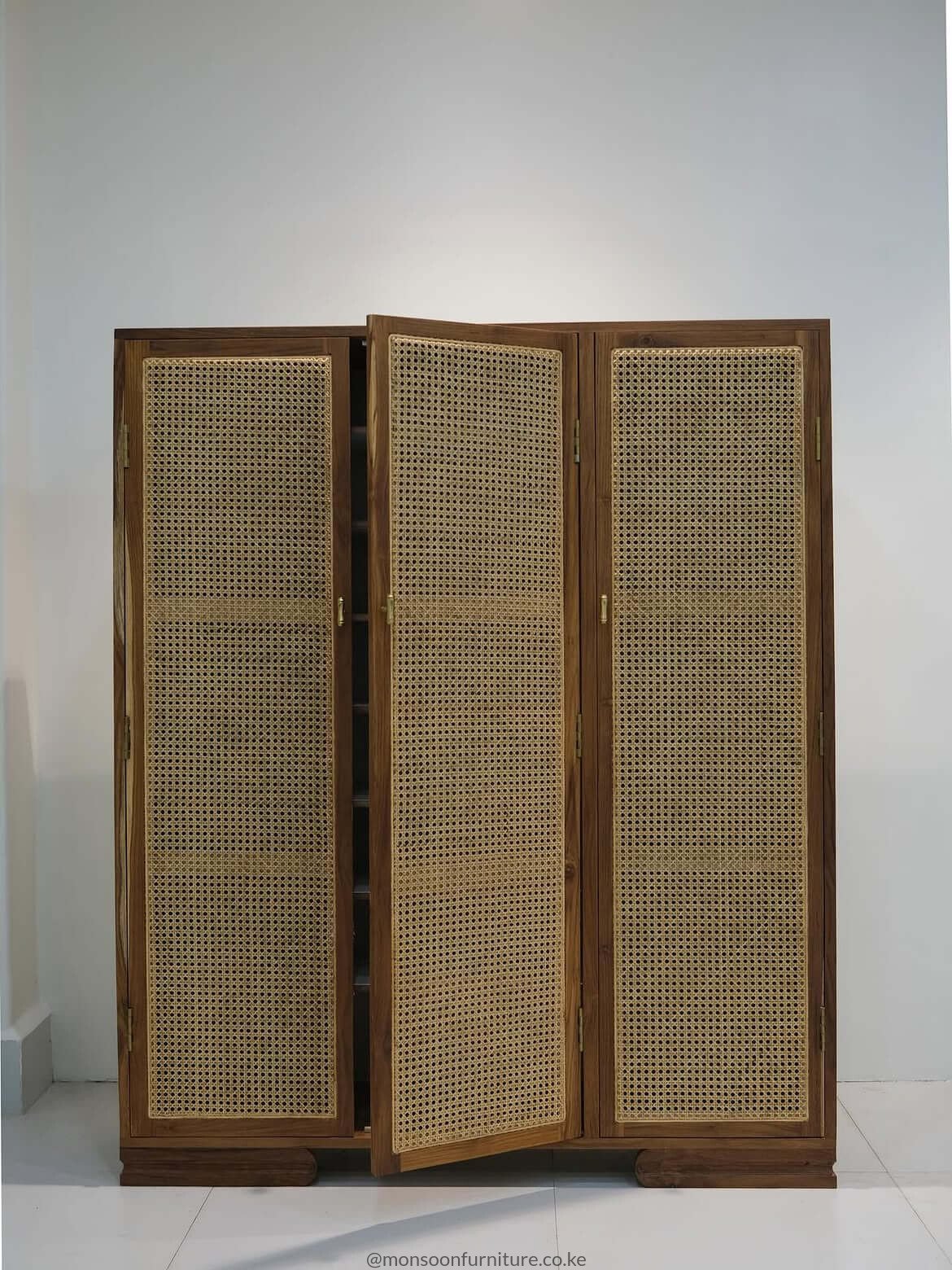
On solid timber the grain runs through the material itself, so a scratch reveals more wood rather than a different substance.
Where MDF is genuinely the better choice
Any comparison that claims solid wood is better at everything is selling something. MDF has real advantages:
| MDF advantage | Why it matters |
|---|---|
| Perfectly smooth surface | No grain to show through paint — the best base for flat colour |
| Shapes easily | Curves, fluting and routed detail are cleaner in board than in timber |
| Does not warp or cup | Uniform throughout, so it will not move as natural wood does |
| No knots or variation | Every panel identical — useful for matched sets |
| Lighter and cheaper | Easier to move; a lower entry price |
That stability point is worth dwelling on. Solid timber is a natural material that responds to humidity — which is exactly why proper drying before it is cut matters so much, as we cover in our guide to the hardwoods we build with. MDF simply does not have that behaviour.
Category by category: what to buy in what
The most useful way to decide is piece by piece rather than as a blanket rule:
| Piece | Recommended | Why |
|---|---|---|
| Bed frames | Solid hardwood | Constant load and flex; board joints loosen and creak |
| Dining tables | Solid hardwood | Spills, leaning, heat, decades of daily use |
| Chairs & sofa frames | Solid hardwood | Every joint takes repeated stress |
| Wardrobe carcass | Hardwood frame | Carries hanging weight over a long span |
| Wardrobe interiors, drawer bases, backs | Plywood or MDF fine | Light, enclosed, not load-bearing |
| Painted feature panels, fluted fronts | MDF often better | Smoother finish, cleaner shaping |
| Anything near water | Solid hardwood only | Board swelling is permanent |
| Short-term or rental furniture | Board is rational | You will not keep it long enough to matter |
The hybrid reality
Very little furniture at any price is one hundred per cent solid timber, and it does not need to be. A hardwood frame with a plywood back is stronger, lighter and more stable than the same piece built entirely from planks — and it costs less.
The question to ask is not "is it solid wood?" but "what is solid wood, and what isn't?" A piece with a hardwood frame and board back panels is well made. A piece with board legs and a board frame is not, whatever the front looks like.
Ask a seller: "which parts are solid timber and which are board?" An honest maker answers immediately, because they made the choice deliberately. A vague answer — "it's all wood", "hardwood finish" — usually means board throughout. It is a better question than asking whether something is solid wood, which invites a yes.
Cost per year — with the condition attached
The long-term argument is real, but it comes with a condition that is usually left out:
| Material | Typical price | Estimated life | Cost per year |
|---|---|---|---|
| Chipboard piece | ~12,000 | 3–5 years | ~2,400 – 4,000 |
| MDF piece | ~18,000 | 5–8 years | ~2,250 – 3,600 |
| Solid hardwood | ~45,000 | 20+ years | ~2,250 or less |
Two honest observations. First, the gap is narrower than most hardwood sellers imply — a good MDF piece is not poor value. Second, hardwood's advantage compounds only over a long horizon, and it can be refinished at year fifteen to run another decade, which is where it pulls decisively ahead.
So the real question is how long you intend to keep the piece. Furnishing a home you own and plan to stay in favours hardwood. Furnishing a two-year rental does not.
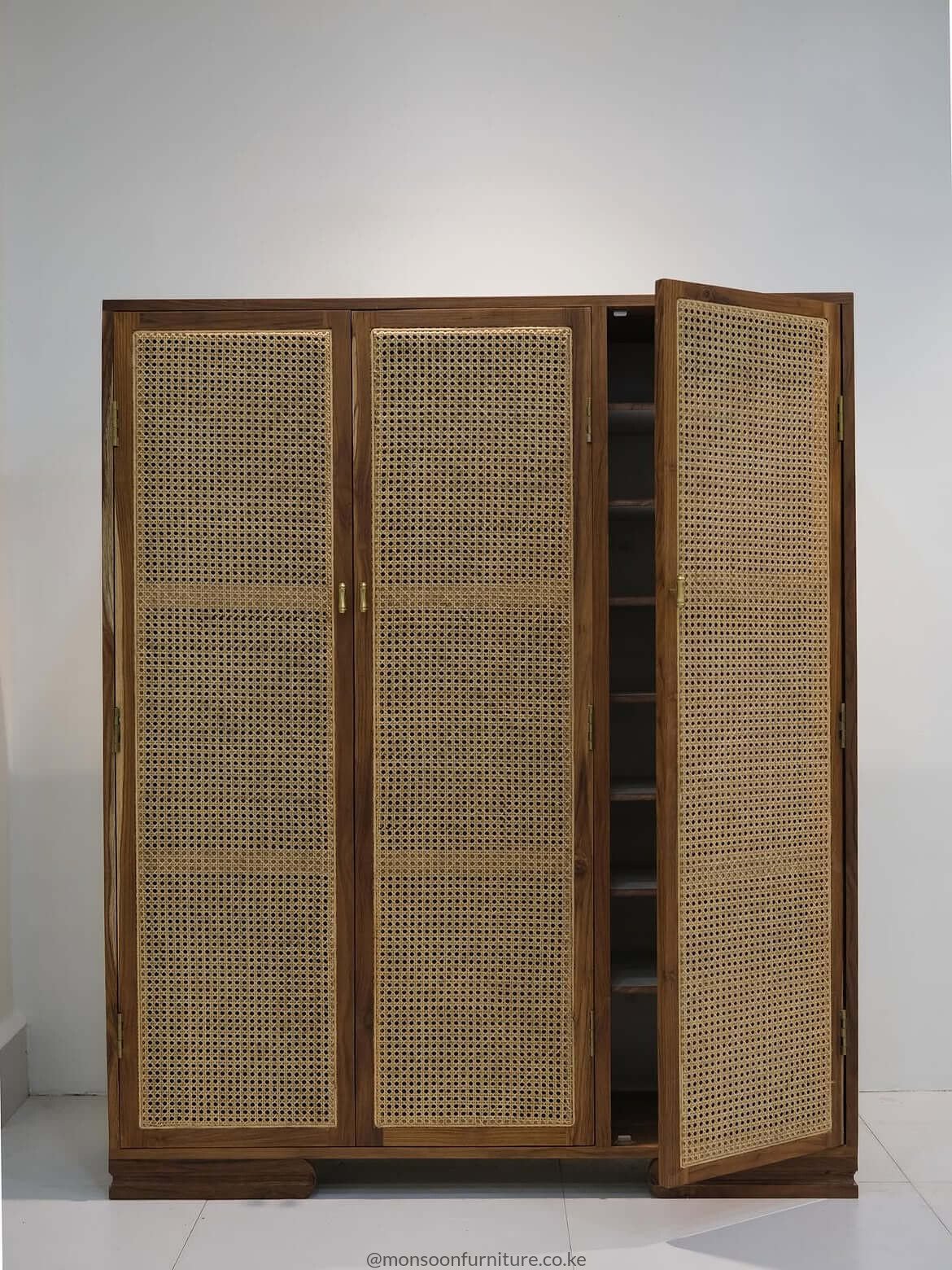
A piece worth refinishing in fifteen years is a different purchase from one you expect to replace.
Checking before you pay
That is the short version. Our comparison of solid wood and MDF TV stands works through the same checks with a specific product in mind, and our guide to wooden shoe racks covers spotting a wood-look finish.
The simplest safeguard is buying from someone who states the material in writing. Every piece in our range lists what it is made from on its product page — so you can decide with the information in front of you rather than guessing from a photograph.
Know what you're buying
Tell us the piece and how long you want it to last, and we'll tell you honestly whether hardwood is worth it for you — or whether a board unit does the job. Free delivery within Nairobi.
Frequently asked questions
Is MDF furniture any good?
Yes, for the right jobs. MDF gives a perfectly smooth painted finish, shapes cleanly into curves and fluting, does not warp like natural timber, and costs less. It is a poor choice where water, heavy load or long life are involved, because it swells permanently and loses screw grip.
How long does MDF furniture last in Kenya?
Typically five to eight years for MDF and three to five for chipboard, against twenty or more for solid hardwood. The main causes of early failure here are moisture reaching the core through chipped edges or from mopping, and screw fixings working loose under repeated load. Neither can be repaired.
Is plywood better than MDF?
Generally yes. Plywood is thin timber layers glued in alternating directions, which makes it strong and resistant to flexing, and it copes better with moisture when the edges are sealed. MDF is smoother and better for painted finishes, but weaker and far more vulnerable to water.
Is hardwood furniture cheaper in the long run?
Only if you keep it. A KSh 18,000 board piece lasting five years costs about KSh 3,600 a year, while a KSh 45,000 hardwood piece lasting twenty costs roughly KSh 2,250 and can be refinished to run longer. If you move often or refurnish every few years, board is the rational choice.
Should a bed frame be solid wood or MDF?
Solid wood. A bed takes constant load and flex, and board joints gradually lose screw grip, which is the usual cause of creaking and wobble. Board is acceptable for non-structural parts such as headboard panels, but the frame itself should be timber.
Lifespan and cost-per-year figures are general estimates for comparison, not guarantees — actual life depends on build quality, use and conditions. Prices reflect the live Monsoon catalogue at August 2026 and change over time. Material is stated on individual product pages.

Add a review
Your email address will not be published. Required fields are marked *