
TV Stands with Storage: Drawers, Cabinets & Cable Management
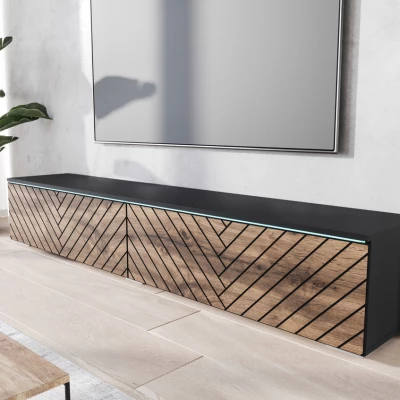
Nobody buys a TV stand for its storage, and nearly everybody regrets that within a month. The decoder, the router, the soundbar, a games console, four remotes, a tangle of HDMI cables and the extension lead they all plug into — that is the real job, and it is why two units of the same length and price can feel completely different to live with.
This guide covers the storage types, what you actually need to fit, how to deal with cables, the decoder problem that catches people out, and real 2026 prices.
The three storage types
| Type | Best for | Watch out for |
|---|---|---|
| Open shelves | Decoder, soundbar, console — anything needing airflow or a remote signal | Everything on show; collects dust |
| Drawers | Remotes, cables, adaptors, batteries, game controllers | Shallow drawers fill fast; check the depth |
| Closed cabinets | Bulk storage, spare kit, items used occasionally | Can block infrared remote signals |
The best layout for most Kenyan living rooms is a mix: an open central bay at decoder height, drawers to one side, and a closed cabinet for everything else. That is exactly how most well-designed units in the KSh 20,000–30,000 range are arranged.
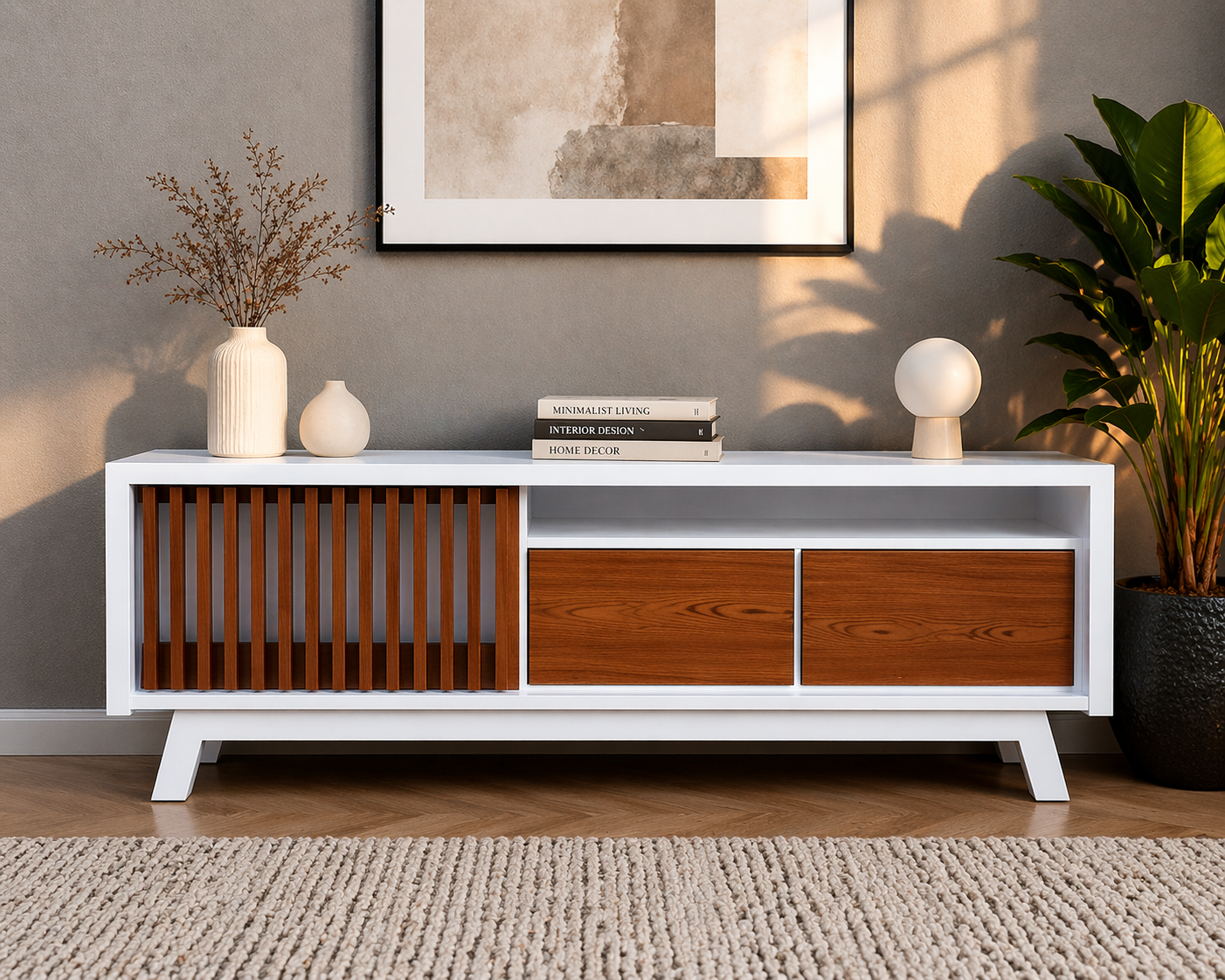
Drawers on one side, an open bay in the centre — the mix that handles a real household’s equipment.
What you actually need to store
Work through this before you measure anything else:
| Item | Where it belongs | The catch |
|---|---|---|
| Decoder | Open shelf | Needs the remote signal to reach it |
| Router | Open shelf or open-backed bay | Signal weakens inside a closed metal-free box; keep it unobstructed |
| Soundbar | Top surface or a wide open bay | Must not be blocked by a door or panel |
| Games console | Open shelf | Needs ventilation — never a sealed cabinet |
| Remotes & controllers | Drawer | The single biggest source of visible clutter |
| Extension lead & cables | Behind or below, out of sight | Needs a gap or cut-out at the back |
The most common storage complaint is a bay too short for the decoder or too shallow for its cables to sit behind without kinking. Measure your decoder’s height and depth, add about 5cm behind it for cable slack, and check that figure against the internal bay height — not the unit’s outside dimensions.
Cable management: plan it before you buy
A stand that hides your equipment but leaves a bundle of wires hanging down the wall has solved half the problem and drawn attention to the other half. Four approaches, from most to least effort:
| Method | Result | Effort |
|---|---|---|
| In-wall conduit | Cables completely invisible | High — best during a build or panelling job |
| Surface trunking | One neat channel, paintable to match the wall | Medium — retrofit on a finished wall |
| Cut-outs in the unit | Cables pass through the back rather than around | Low — check the unit has them before buying |
| Ties and a cable box | Tidies the tangle; the run still shows | Lowest — an hour and a few hundred shillings |
If your TV is wall-mounted above the unit, the cable run between screen and console is the visible part and needs one of the first two methods. Where the whole wall is being built out, cabling is designed in from the start — that is covered in our guide to TV wall design in Kenya.
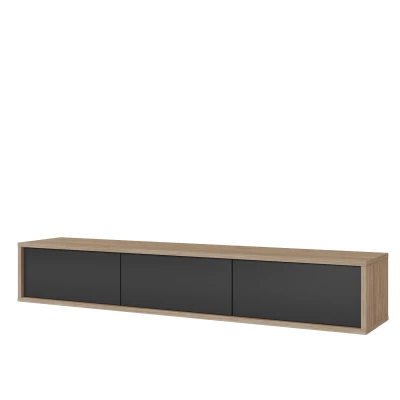
A clear top and concealed storage below — the layout that keeps a TV wall looking calm.
The decoder problem: closed doors and remote signals
This catches out more buyers than any other storage decision, and it is entirely predictable once you know how the remote works.
Infrared travels in a straight line and does not pass through solid panels. Put a decoder behind a closed wooden door and pressing the remote will do nothing — which is why so many households end up leaving one cabinet door permanently open, defeating the point of having bought a cabinet.
Three ways round it:
- Keep the decoder on an open shelf. Simplest, and it helps ventilation too.
- Choose a front the signal can pass through — glass, fine mesh or an open weave rather than solid board.
- Use an infrared extender if the decoder must be hidden; a small sensor sits outside the cabinet and relays the signal in.
Devices controlled over Wi-Fi or Bluetooth are unaffected — the issue applies specifically to infrared remotes, which most decoders in Kenya still use.
How much storage do you need?
| Household | Storage to look for |
|---|---|
| One or two people, decoder and router only | Open bay plus one drawer |
| Family with a soundbar | Open bay, drawer, one cabinet |
| Family with games console and accessories | Open bay, two or more drawers, cabinets both sides |
| Airbnb or rental setup | Mostly closed storage — fewer visible items for guests |
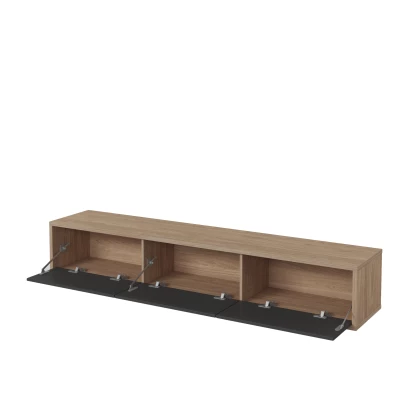
Fully concealed storage — tidy, but keep the decoder somewhere the remote can still reach it.
Storage TV unit prices in Kenya (2026)
| Tier | What you get | Price (KES) |
|---|---|---|
| Entry storage | Drawer console, 6ft storage console, fluted six-drawer unit | 18,000 – 20,000 |
| Mixed storage | Open shelves plus side cabinets; doors, drawer and open bay | 21,000 – 24,000 |
| Larger storage | Geometric and woven-front consoles with fuller storage | 28,000 – 34,000 |
| Maximum storage | Side cabinets, central open shelves and grid-style storage | 46,000 |
Storage is where the price genuinely goes. Drawer hardware, extra carcass work and door construction all add cost, which is why a long unit with three drawers and two cabinets costs more than a plain shelf of the same length. Our guide to what separates a cabinet from a stand or console explains why names rarely predict the price.
Custom storage layouts
Storage is the strongest argument for going custom in this category. A ready-made unit is designed around an average household’s equipment; yours may have a taller decoder, a wide soundbar, or a socket in an awkward position that decides where the cable cut-out has to be.
Things worth specifying: internal bay height, drawer depth, the number and position of cable openings, and whether any front needs to pass an infrared signal. Browse ready-made options first in our TV stands collection, and see the finish options in our guides to fluted and slatted units and wooden TV stands.
Storage built around your kit
Send us your decoder height, what else needs storing and your wall length on WhatsApp — we’ll match a unit or build one with the bays and cable openings where you need them.
Frequently asked questions
How much is a TV stand with storage in Kenya?
TV stands with storage cost roughly KSh 18,000–46,000 in Kenya in 2026. Units with drawers start around KSh 18,000–20,000, mixed drawer-and-cabinet consoles run KSh 21,000–29,000, and large units with side cabinets plus open or grid shelving reach about KSh 46,000.
Can I put my decoder inside a closed TV cabinet?
Only if the signal can reach it. Most decoder remotes use infrared, which needs line of sight and will not pass through a solid wooden or board door. Keep the decoder on an open shelf, choose a glass, mesh or open-weave front, or fit an infrared extender that relays the signal inside.
How do you hide TV cables?
Route them out of sight rather than tidying them in place. In-wall conduit hides cables completely, surface trunking gives a neat paintable channel, and a unit with cut-outs at the back lets cables pass through instead of hanging around it. Ties and a cable box help but leave the run visible.
How much storage does a TV unit need?
At minimum, one open bay for the decoder and one drawer for remotes and cables. A family with a soundbar should add a cabinet, and a household with a games console and accessories needs two or more drawers plus cabinets. Count your devices before choosing, and check internal bay heights.
Prices current at August 2026 and subject to change; several items are promotional. Infrared guidance describes how line-of-sight remotes work in general and does not refer to any specific product’s front panel — confirm with us if a particular unit needs to pass a remote signal.

Add a review
Your email address will not be published. Required fields are marked *