
Sagging Sofa Cushions? Refilling in Kenya 2026
A sagging sofa cushion is one of the most common furniture complaints in Kenyan homes — and one of the most misunderstood. Most people assume a sunken seat means the sofa is finished. It rarely does. In almost every case the frame is fine and only the foam has failed, which is a repair, not a replacement.
This is the one furniture problem no marketplace listing can honestly help with, because fixing it is workshop work. We rebuild and refill cushions every week, so this guide is written from what we actually find inside old cushions — why they sag, what it costs to fix, and when it really is time for a new sofa.
Why do sofa cushions sag?
When we open a sagging cushion in the workshop, we nearly always find the same thing: foam that has gone soft and crumbly, or a fibre wrap that has packed down into a thin, lifeless layer. The cover and the frame are usually fine. It is the filling that has died.
Foam quality is measured by density — how much material is packed into each cubic metre, written in kg/m³ (or PCF in imported specs). This is the single number that decides how long a cushion lasts. Low-density foam feels fine for a few months, then breaks down fast; upholstery specialists note that low-density seat foam can begin sagging within 6 to 18 months of daily use, while high-resilience foam holds its shape for many years.1
Here is the part that surprises people: firmness is not the same as durability. Cheap sofas are often made “extra firm” to feel solid in the showroom, but if the foam is low-density that firm feeling disappears within a year.2 A softer high-density foam will outlast a firm cheap one every time. Density lasts; firmness fades.

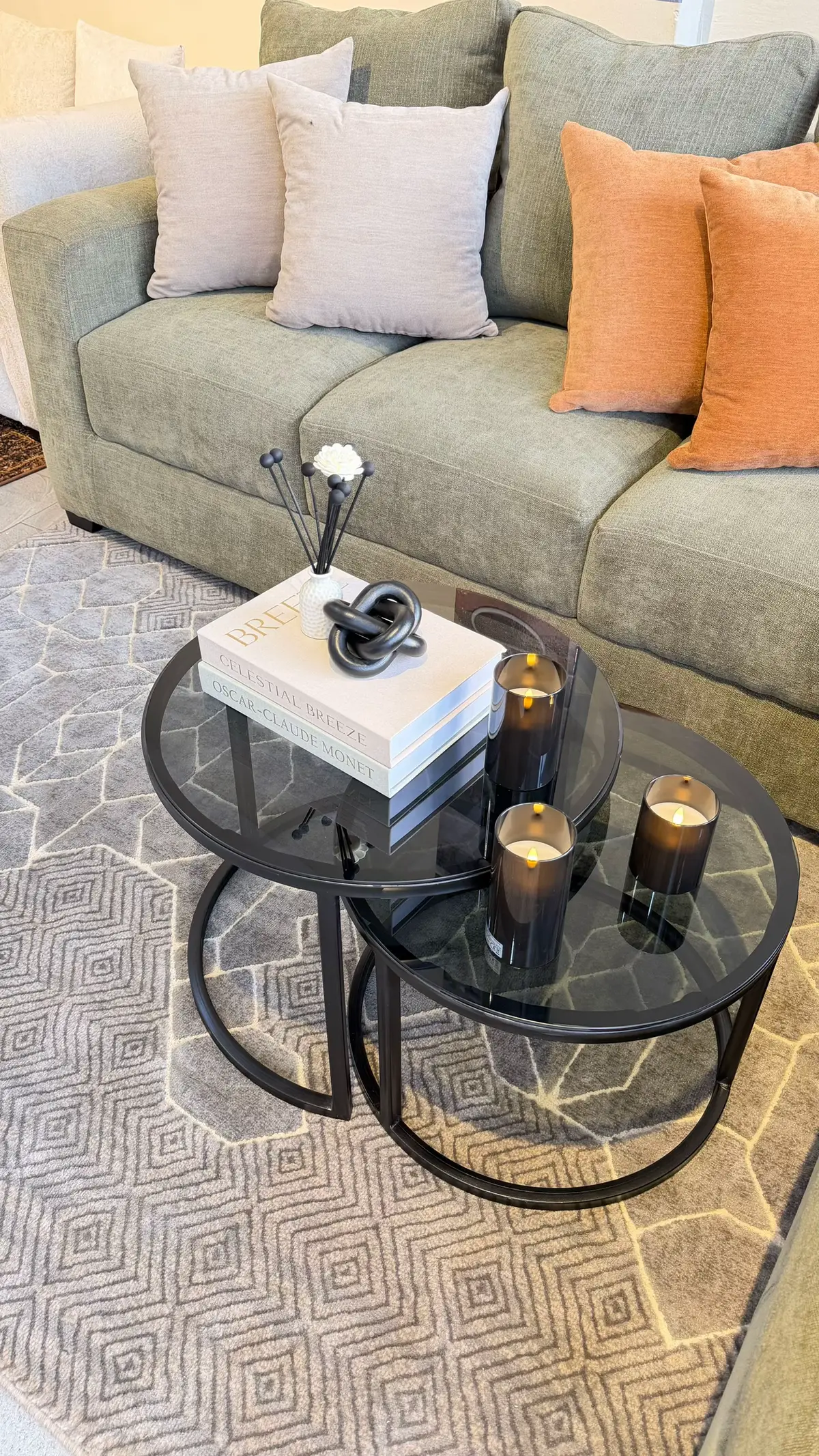
Cushions that still sit up like this years later almost always started with high-density foam.
Refill vs replace vs re-cover: which do you need?
Three different problems, three different fixes. Knowing which you have saves you money — and stops a repair shop selling you more than you need.
| Your problem | The fix | What we do | Rough cost per seat (KES) |
|---|---|---|---|
| Seat sinks, cover still good | Refill | New high-density foam inside your existing cover | [CONFIRM — e.g. 1,500–3,000] |
| Back cushions flat, cover good | Re-fibre | Fresh fibre / foam-and-fibre in the back cushions | [CONFIRM — e.g. 1,000–2,000] |
| Fabric worn, foam still firm | Re-cover | New covers over your existing good foam | [CONFIRM — e.g. 3,000–7,000] |
| Both foam and fabric gone | Full replacement | New foam and new covers together | [CONFIRM — e.g. 900–1,500] |
The prices above are workshop estimates and vary with cushion size, foam grade and fabric — we quote exactly once we see the cushions. But the pattern holds: a refill costs a fraction of a new sofa, and a re-cover costs a fraction of new upholstery. For most sagging sofas in Kenyan homes, a refill is all that’s needed. Send us a photo on WhatsApp for a quote, or see our wider work on custom furniture in Kenya.

Refilling keeps your covers and frame — only the filling inside is replaced.
Choosing replacement foam density
This is where the repair is won or lost. Refilling a cushion with the same cheap foam that failed just restarts the clock on the sag. The point of refilling properly is to put in better foam than the sofa came with.
Industry benchmarks are clear: quality seating foam sits in roughly the 1.8–3.1 PCF range, and true high-resilience (HR) foam around 2.5 PCF and above gives the best spring-back and lifespan — often a decade or more of daily use.3 In the metric figures used in Kenya, that means aiming for seat foam around 35–50 kg/m³.
| Foam grade | Density | Feel & lifespan | Use for |
|---|---|---|---|
| Low-density polyfoam | Under ~24 kg/m³ | Soft then sags in 6–18 months | Avoid for seats |
| Mid-density | ~28–32 kg/m³ | Holds 3–5 years with light use | Back cushions, guest rooms |
| High-density / HR | ~35–50 kg/m³ | Firm, springy, lasts a decade | Seat cushions — the right choice |
Press your palm firmly into a cushion and let go. Good high-density foam springs back to full shape in under two seconds. If it takes five seconds or never fully returns, the foam is spent — that cushion needs refilling, whatever the cover looks like.
Most Kenyan homes prefer a medium-firm seat: supportive enough to sit up out of, soft enough to relax into. That’s what we fit as standard, with a fibre wrap over the foam for a softer surface feel without losing the high-density core.
The refilling process at our workshop
Here is exactly what happens when a sagging sofa comes to the workshop:
- Inspect and quote. We check whether it’s a refill, re-fibre, re-cover or full replacement, and quote before any work starts.
- Open the cushions. Covers are unzipped and the old, collapsed foam or packed fibre is removed.
- Cut new foam to size. High-density foam is cut to your exact cushion dimensions — measured from the cushion, not guessed.
- Add a fibre wrap. A layer of fibre over the foam gives a soft surface feel while the dense core does the support.
- Refit and finish. Your original covers go back on, plumped and full, and the sofa is checked before it’s returned.
Turnaround is usually a few days depending on how many seats and the foam grade. Because we keep your covers and frame, you get your own sofa back — just firm and full again, not a different one.
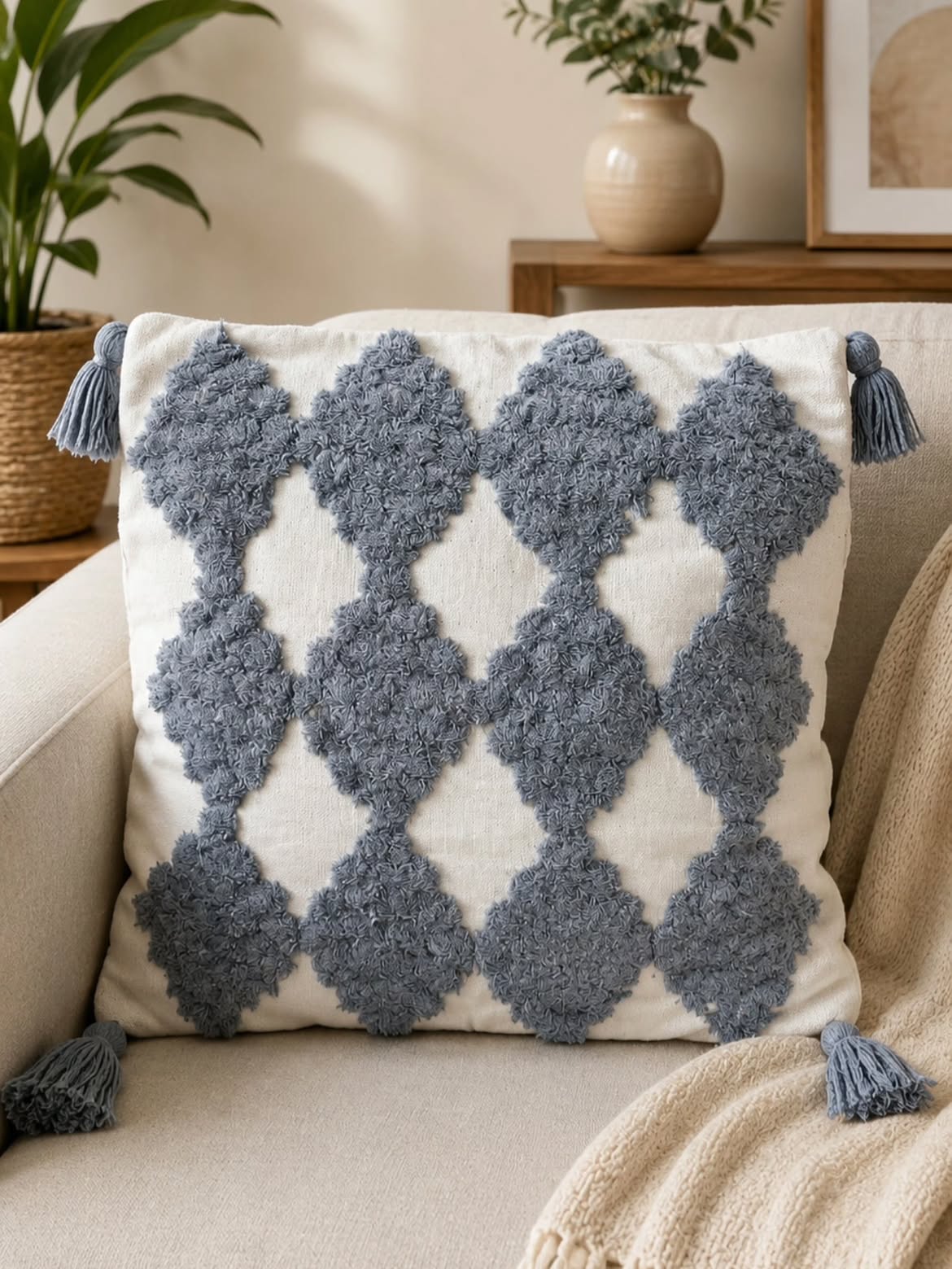
New fill inside your existing cover — the same cushion, rebuilt to sit full again.
When it’s time for a new sofa instead
We’ll tell you honestly when a repair isn’t worth it. The deciding factor is almost always the frame. Refilling makes sense when:
| Refill / repair when… | Buy new when… |
|---|---|
| Only the seat has sunk | The frame is cracked or wobbly |
| Covers are still good or re-coverable | The sofa creaks and shifts when you sit |
| The frame is solid and square | Repairs would cost near a new sofa’s price |
| You like the sofa’s shape and size | You want a different style or size entirely |
If it is time for a new one, buy on foam density this time — ask what grade the seat foam is before you pay, and press-test it in the shop. Our own modern sofa sets are built with high-density seat foam for exactly this reason, and our L-shape sofas use the same grade across the longer seats where sagging shows first. For choosing quality fill in the first place, see our guide to the best cushions for a sofa in Kenya.

When a frame is beyond repair, buy the next sofa on foam density — it’s what decides how long it lasts.
Bring your sagging sofa back to life
Send us a photo of your cushions on WhatsApp for a refill quote. We rebuild seats with high-density foam in our Ngara workshop — usually a few days, and far cheaper than a new sofa.

The finished result: the same sofa you know, sitting full and firm again.
Frequently asked questions
How much does it cost to refill sofa cushions in Kenya?
Refilling sofa seat cushions in Kenya typically costs a set price per seat, depending on cushion size and foam grade — far less than a new sofa. Re-fibring back cushions costs less, and full replacement of foam and covers costs more. Send a photo of your cushions on WhatsApp for an exact quote before any work begins.
How long does replacement foam last?
High-density seat foam (around 35–50 kg/m³) can hold its shape for roughly a decade of daily use, while cheap low-density foam sags within 6–18 months. Density, not firmness, decides lifespan — so refilling with a proper high-density grade gives you years of firm seating, not a repeat of the sag.
Can you refill cushions for a sofa you didn’t make?
Yes. We refill and rebuild cushions for any sofa, not only ones we built. We open your existing covers, fit new high-density foam cut to size, add a fibre wrap for softness, and refit your covers — so you keep your own sofa, restored. Send a photo on WhatsApp to start.
Sources:
1. Upholstery-industry foam guidance (Polyurethane Foam Association; CertiPUR-US) on density and sag resistance.
2. Furniture upholstery references on density vs firmness and cushion lifespan.
3. Seating-foam density benchmarks (HR foam ~2.5 PCF+ / ~35–50 kg/m³ for durable seat cushions).
Foam grades are general guidance; exact specification depends on your cushions.

Add a review
Your email address will not be published. Required fields are marked *