
Common Mistakes Parents Make When Setting Up a Kids Bedroom in Kenya
Common Mistakes Parents Make When Setting Up a Kids Bedroom in Kenya
Creating a child’s bedroom feels exciting. You want the room to look beautiful. You want your child to feel happy. You want the space to look modern, neat, and full of personality. Many parents in Kenya start with good intentions, then end up making choices that later cause stress, clutter, discomfort, or extra costs.
A kids room is not only a place for sleeping. It is also a place for playing, learning, growing, resting, storing clothes, keeping toys, and building confidence. A well-planned room supports your child every day. A poorly planned room causes problems every day.
Many parents focus too much on appearance and forget function. Others buy furniture that looks cute for a short time but becomes useless after one or two years. Some fill the room with too much furniture. Some forget storage. Some ignore safety. Some choose the wrong bed size. Some pick colours and layouts that do not work in real life.
This guide explains the most common mistakes parents make when furnishing a child’s room in Kenya. It also shows you how to avoid them. If you are looking for the right kids bed in Kenya, planning a baby room, or upgrading a school-going child’s room, this article will help you make better choices.
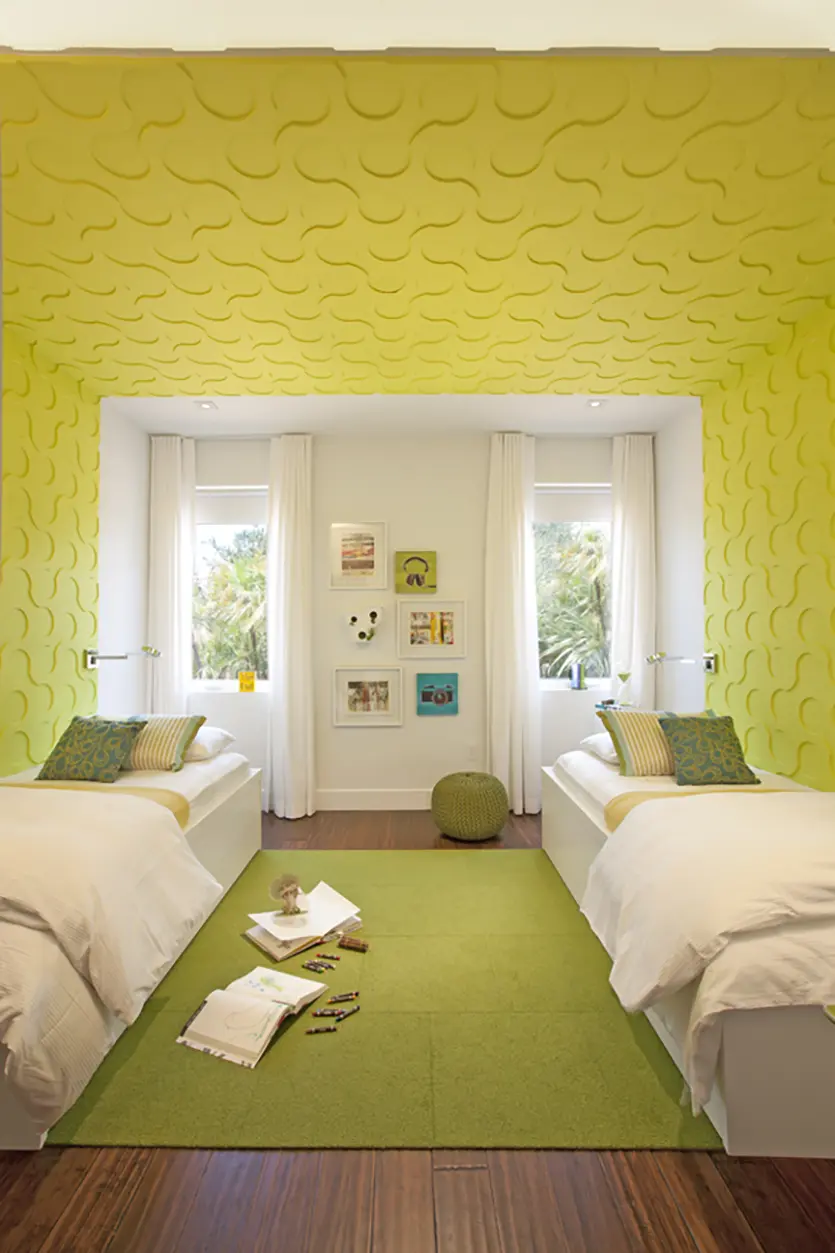
Why a Well-Planned Kids Room Matters
A child’s bedroom affects sleep, study habits, mood, and daily comfort. A good room layout helps your child move freely, keep things organised, and enjoy spending time in the room. A poor layout creates frustration for both parent and child.
In many Kenyan homes, space matters a lot. Some families live in apartments in Nairobi. Others live in maisonettes, bungalows, or upcountry homes with different room sizes. Some children share a room. Others have a small single room. Because of this, furniture should work
hard. Every piece should earn its place.
A kids room should offer these five things:
A comfortable bed
Enough storage
A safe environment
Space to play or study
A layout that still works as the child grows
When one of these is missing, the room stops serving the child well.
Mistake 1. Choosing Style Before Function
This is one of the biggest mistakes. Parents see a fancy kids bed, a themed wardrobe, or colourful shelves and fall in love with the look. The furniture looks good in photos, but daily use tells a different story.
A child’s room should first work well. It should be easy to use, easy to clean, and easy to adjust. Design matters, but function should come first.
For example, a bed shaped like a car may look fun for a young boy. After two years, he may stop liking it. A princess-themed bed may excite a young girl today, then feel too childish later. A wardrobe with unusual doors may look trendy, but open badly in a small room.
In the Kenyan market, smart parents get better long-term value by choosing practical furniture with a timeless base. You can always add colour and personality through bedding, cushions, curtains, rugs, wall art, and toy storage.
What to do instead
Choose a strong, simple kids bed in a neutral finish
Pick a wardrobe with practical shelves and hanging space
Choose a study table that fits the room and daily use
Use themed décor in items that are easy to change later
This saves money and keeps the room useful for longer.
Mistake 2. Buying the Wrong Kids Bed Size
Many parents buy a bed that is too small because the child is still young. Others buy a bed that is too large for the room and leave no floor space. Both choices create problems.
A bed should match both the child’s age and the room size. It should allow comfortable sleep without swallowing the entire room.
Common options in Kenya include:
3 by 6 kids beds
4 by 6 single beds
Double decker beds for shared rooms
Bunk beds with storage
Beds with pull-out drawers
Beds with study desks underneath
A toddler bed may seem enough for now, but children grow fast. Replacing furniture after a short time costs more. On the other hand, forcing a large bed into a small room blocks movement and reduces play space.
A better approach
Think ahead. Ask how long you want the bed to serve your child. If you want a bed that lasts through upper primary or even high school, choose a practical size with room to grow.
For shared bedrooms in Kenya, double decker beds and bunk beds remain strong options. They save floor space and work well in apartments, sibling rooms, and homes where each square metre matters.
For a single child, a standard single bed with underbed storage often gives the best balance of comfort and function.
Mistake 3. Ignoring Storage Needs
Kids collect many things. Clothes, shoes, books, toys, school bags, games, art supplies, blankets, and personal items all need proper storage. Without storage, the room becomes messy fast.
Some parents focus only on the bed and forget the rest. Others choose open shelves only, then wonder why the room always looks untidy. A beautiful room that cannot hide clutter is hard to maintain.
In Kenya, many parents need furniture that supports small-space living. Smart storage makes a huge difference.
Good storage ideas for a kids room
Beds with drawers underneath
Wardrobes with shelves and hanging sections
Storage benches
Cube shelves with baskets
Study desks with drawers
Bedside units for books and essentials
Multi-use cabinets for school items and toys
Closed storage helps the room look calm and organised. Open shelves still help, but they work best when used in moderation.
What works well for Kenyan homes
If your child has a smaller bedroom, a kids bed with storage is a strong choice. It helps you use the bed area well. If siblings share a room, a bunk bed with staircase drawers or side storage adds even more function.
For younger children, labelled baskets and simple drawers help them learn how to tidy up. For older children, wardrobes with adjustable shelves work better because their needs keep changing.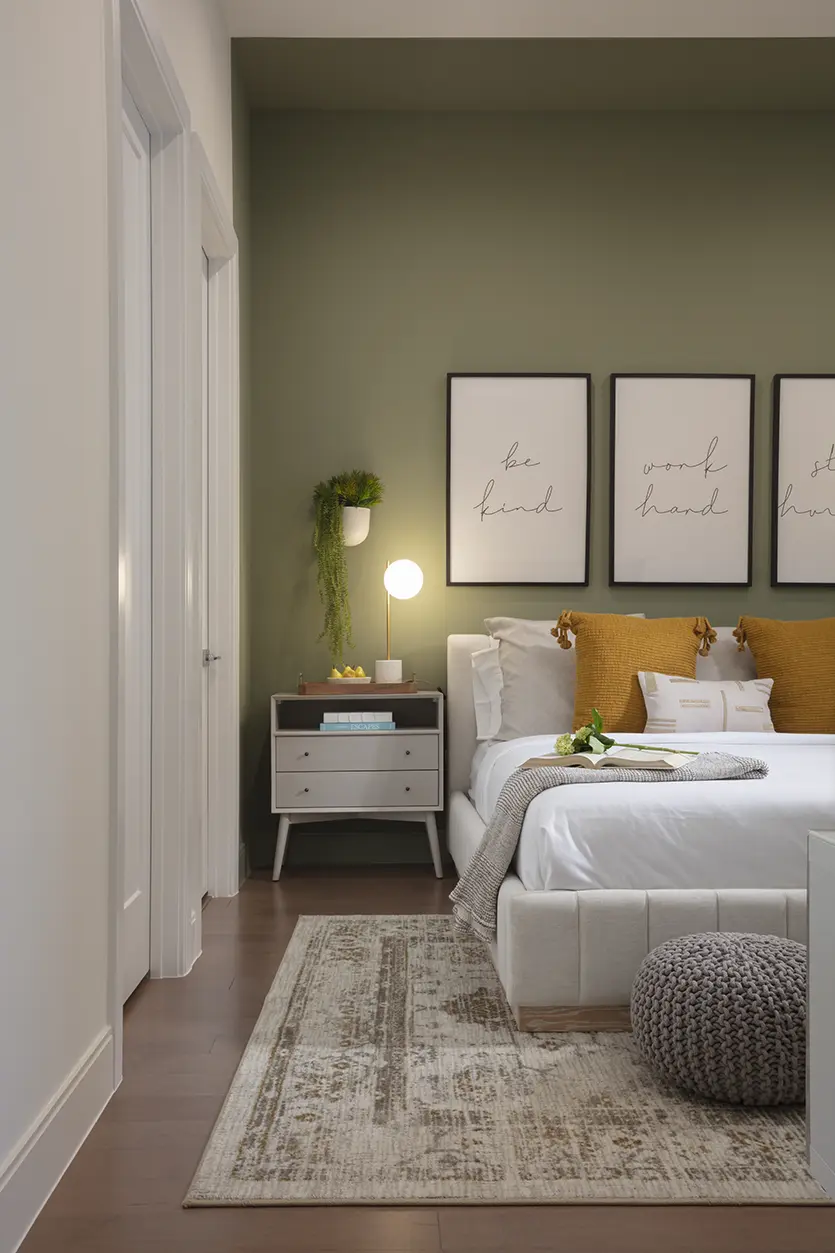
Mistake 4. Overcrowding the Room With Furniture
Some parents try to put everything in the room. Bed, desk, wardrobe, bookcase, toy shelf, extra chair, chest of drawers, more shelves, and décor pieces. The result feels heavy and crowded.
Children need open space. They need room to walk, sit, play, stretch, read, and breathe. A room full of furniture may look complete to an adult, but it often feels uncomfortable to a child.
This matters even more in Nairobi apartments and modern homes where bedrooms are often compact.
Signs the room is overcrowded
There is little free floor space
The child cannot move easily around the bed
Doors hit furniture when opening
The wardrobe blocks light or airflow
Cleaning feels difficult
The room looks messy even after tidying
What to do instead
Choose fewer, better pieces
Use multifunctional furniture
Keep one section of the floor free
Avoid oversized wardrobes in small rooms
Use vertical storage instead of adding more furniture on the floor
A spacious room often feels better than a fully packed room. Less furniture, chosen well, usually works better than more furniture chosen poorly.
Mistake 5. Forgetting Safety
Safety is essential in a child’s bedroom. A room should not only look good. It should protect your child during sleep, play, and daily use.
Parents often forget safety because they focus on colour, size, or price first. That mistake becomes costly when furniture tips over, sharp edges cause injury, or weak materials fail.
Key safety issues to watch
Sharp bed corners
Loose wardrobes or tall shelves
Weak ladder on a bunk bed
Slippery floors or rugs
Poor-quality paint or finish
Exposed nails or rough edges
Unstable study desks
Unsafe sockets and loose wires
For younger children, safety matters even more. They run, jump, climb, and explore.
Safer choices for kids rooms in Kenya
Buy sturdy furniture from a trusted seller
Anchor tall wardrobes and shelves when needed
Choose beds with smooth edges
Use non-slip rugs
Keep electric cables hidden
Use safe socket covers for toddlers
Choose bunk beds with firm rails and stable ladders
If you are buying a bunk bed in Kenya, check the build quality carefully. A cheap bunk bed that shakes is not worth the risk. The frame should feel solid and secure.
Mistake 6. Buying Furniture That Does Not Grow With the Child
Children grow fast. Their tastes change. Their routines change. A baby becomes a toddler. A toddler becomes a school-going child. A school-going child becomes a teenager. A room that fits one stage may fail badly in the next.
Many parents buy only for the present moment. That leads to extra spending and repeated furniture replacement.
Examples of short-term choices
A very small bed that becomes useless quickly
A cartoon-themed wardrobe that feels babyish later
A desk that is too low after one year
Tiny shelves that stop fitting books and school supplies
Better long-term choices
A simple wooden kids bedA neutral wardrobe
A practical study desk
Shelving that works for toys now and books later
Storage units that adapt as needs change
For the Kenyan market, this matters because furniture is an investment. Most parents want value. They want a room that still works after several years. The best strategy is to choose core furniture in a timeless design, then update the room with affordable décor changes over time.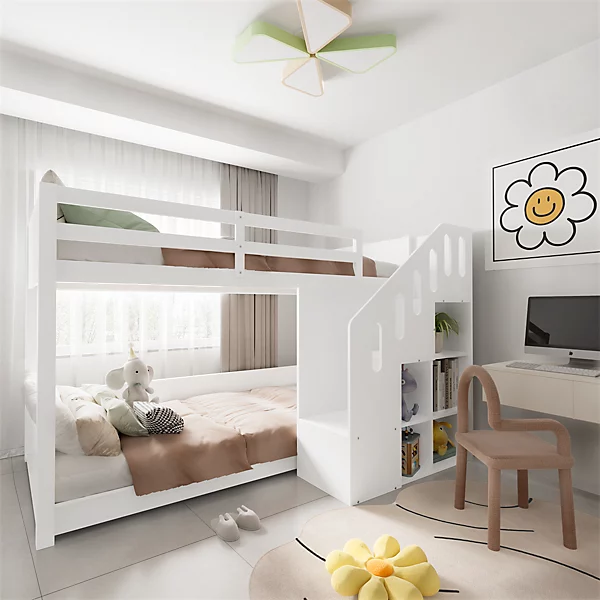
Mistake 7. Poor Layout and Furniture Placement
Even good furniture fails in a bad layout. Placement affects comfort, movement, light, and daily use.
A bed placed directly under harsh sunlight may affect sleep. A desk far from natural light may make studying harder. A wardrobe placed near the door may create congestion. A bunk bed placed badly may make the room feel cramped.
Better room planning tips
Place the study desk near a window where possible
Leave clear walking space around the bed
Do not block wardrobe doors
Keep the room balanced, not squeezed to one side
Avoid pushing all furniture randomly against walls without thinking through use
In Kenyan homes, window position often matters because natural daylight supports homework and reduces dependence on electric lighting during the day.
If the room is small, measure carefully before buying furniture. Many room problems start because parents guess instead of measuring.
Mistake 8. Neglecting Study Space
Not every child needs a full study setup at the same age, but once school begins, a proper study area becomes important. Some parents delay this too long. Others buy a desk that is too large, too small, or badly placed.
A study space helps your child read, write, revise, and do homework in a focused way. Without it, the child studies on the bed, on the sofa, or at the dining table. That weakens routine and concentration.
What a good study area needs
A desk of the right size
A comfortable chair
Enough light
Space for books and stationery
A quiet position in the room
For small Kenyan bedrooms, a compact study desk with drawers works well. For shared rooms, a loft-style bed with a desk below can help save space.
Mistake 9. Using the Wrong Colours
Colour shapes the feeling of a room. Some parents paint the whole room in loud colours, then later realise the space feels too busy. Others use very dark colours, which make a small room feel smaller.
A child’s room should feel cheerful, calm, and fresh. This does not mean it should be dull. It means colour should be balanced.
Good colour ideas for kids rooms
White and wood
Light grey and blue
Cream and pastel tones
Soft green
Muted pink with neutrals
Beige with colourful accents
A smart design rule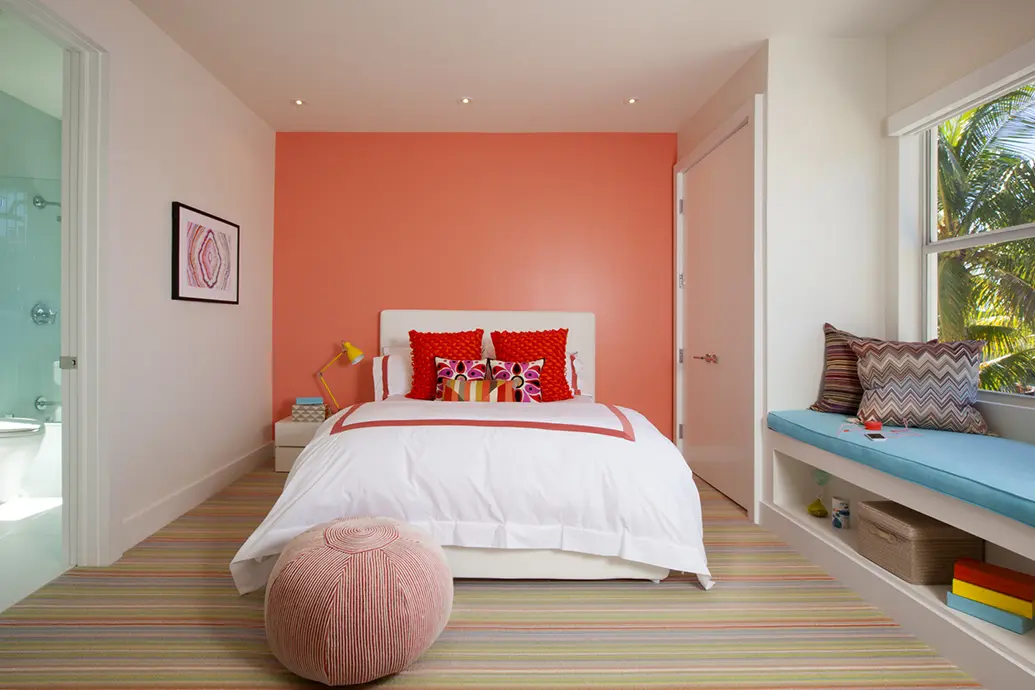
Use a neutral base, then add colour through smaller items. This gives flexibility. As the child grows, you change bedding, curtains, and wall décor without replacing major furniture.
This works well for parents in Kenya who want stylish kids room décor without making expensive changes every year.
Mistake 10. Ignoring Lighting
Lighting changes how a room feels and functions. Some parents rely only on one ceiling bulb. That is not enough.
A child’s room needs lighting for different moments:
General lighting for the whole room
Task lighting for studying
Soft evening lighting for winding down
Good lighting choices
Bright ceiling light for general use
Desk lamp for homework
Warm bedside light for evening reading
Soft night light for younger children
Natural light matters too. Keep windows as open as possible during the day. Heavy curtains that block too much daylight make the room feel dull.
Mistake 11. Letting Toys Take Over the Room
Too many toys create clutter, distraction, and confusion. Many parents think more toys mean a happier child. In reality, too much can make the room feel overwhelming.
A child often plays better with fewer toys that are stored well and rotated from time to time.
Better toy management
Use baskets or bins
Store some toys away and rotate them
Keep only favourites within easy reach
Use labelled sections for different toy types
Avoid covering every surface with items
This creates a calmer room and helps children learn responsibility.
Mistake 12. Not Involving the Child
Parents often design the whole room based on their own taste. They choose everything without asking the child what matters most. This creates a room that pleases the parent but not the user.
Children do not need full control, but their opinion helps. One child may value floor space more than extra furniture. Another may care more about books, display shelves, or study comfort.
Older children especially should have a say in layout, colours, and room function.
When a child feels included, they connect better with the room and take more pride in keeping it neat.
Mistake 13. Choosing Cheap Furniture Without Thinking About Durability
Price matters. Every family works within a budget. Still, the cheapest option often costs more in the long run.
Weak furniture chips, bends, shakes, or breaks. Drawers stop sliding well. Wardrobe doors loosen. Beds start making noise. Cheap finishes scratch fast.
A child’s room gets daily use. The furniture should handle movement, school life, visitors, and constant storage use.
Better buying principle
Buy the best quality you can afford in the most important items first.
Start with:
The bed
The wardrobe
The study desk
Storage units
Good furniture lasts longer, looks better, and reduces replacement stress.
Mistake 14. Forgetting Shared Room Planning
Many Kenyan families have children sharing one bedroom. This changes everything. A shared room needs more planning than a single-child room.
Without proper planning, the room becomes crowded, unfair, and disorganised.
Smart shared room ideas
Use a bunk bed or double decker bed
Give each child personal storage
Use separate shelves or drawers
Keep the room layout balanced
Allow each child a small personal area
A double decker bed in Kenya is one of the best solutions for siblings sharing a room. It saves space and leaves room for study or play.
Mistake 15. Thinking the Room Is Finished Forever
A kids room should evolve. It is not a one-time project that stays perfect for ten years. It needs small updates over time.
The bed may stay, but the layout may change. The colours may stay, but the bedding may change. The toy area may shrink, and the study area may grow.
Parents who expect the room to remain fixed often miss the chance to improve it gradually.
Better mindset
Build a strong foundation first
Update in stages
Review the room every year or two
Adjust storage as the child grows
Keep the room useful, not static
How to Plan the Best Kids Room in Kenya
If you want a child-friendly, stylish, and practical room, use this order:
Start with the room size
Choose the right bed
Plan storage
Add study space if needed
Check movement space
Choose safe materials
Use balanced colours
Add lighting
Finish with décor
This process works better than shopping based only on appearance.
Best Kids Furniture Features to Look For
When shopping for kids bedroom furniture in Kenya, look for these features:
Strong bed frame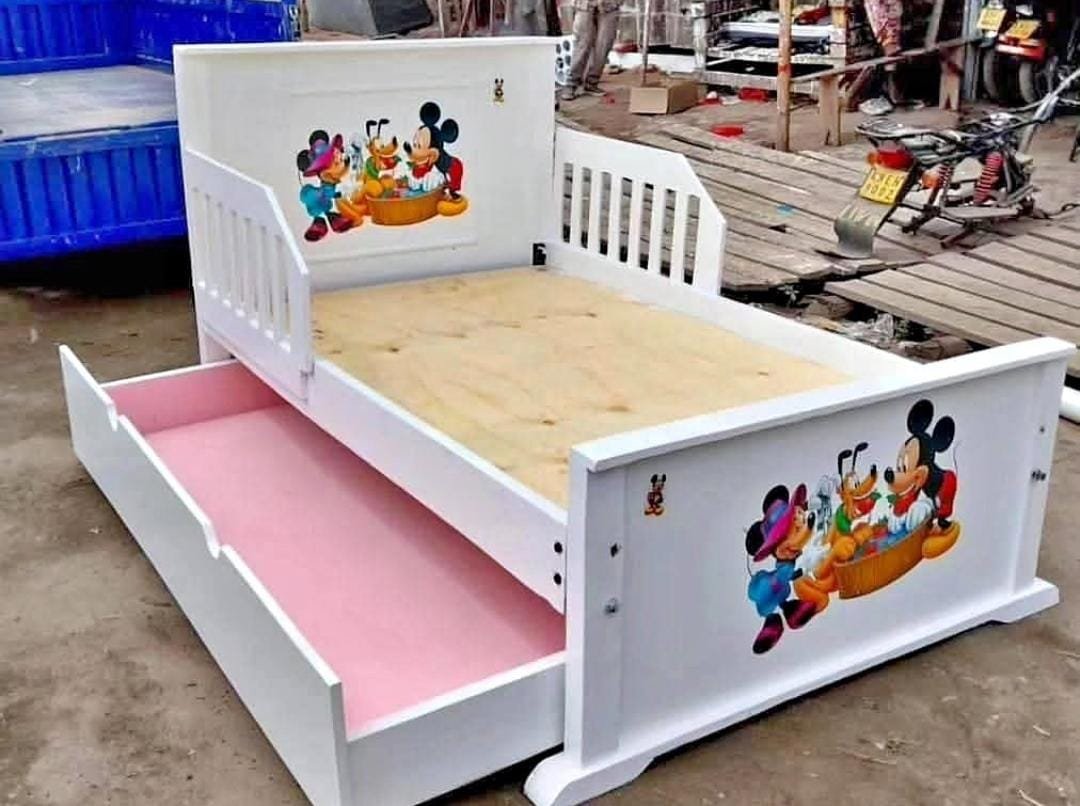
Smooth finish
Storage drawers
Neutral style
Compact footprint
Safe edges
Stable wardrobe design
Practical shelving
Easy-to-clean surfaces
Good craftsmanship
These details improve daily life and support good value.
Final Thoughts
A child’s room should support sleep, learning, play, safety, and growth. The best rooms are not always the fanciest. They are the most thoughtful.
Avoid the common mistakes. Do not choose design alone. Do not buy the wrong bed size. Do not ignore storage. Do not overcrowd the room. Do not forget safety. Do not choose furniture that becomes useless too fast.
For parents in Kenya, the smartest approach is simple. Choose practical furniture. Choose durable materials. Choose a kids bed that fits the room and the child’s future needs. Keep the layout open. Add storage. Let the room grow with your child.
A well-planned room makes life easier for you and better for your child. It creates comfort today and saves money tomorrow.
FAQs
1. What is the best kids bed size to buy in Kenya?
The best kids bed size depends on the child’s age and the room size. Many Kenyan parents choose a 3 by 6 or 4 by 6 single bed because it allows the child to grow without replacing the bed quickly. For shared rooms, double decker beds or bunk beds save space and allow two children to sleep comfortably in one room.
2. Are bunk beds safe for children?
Yes, bunk beds are safe when they are well built and used correctly. Choose a strong wooden or metal bunk bed with guard rails and a stable ladder. The top bunk is usually recommended for children older than six years. Always ensure the bed is stable and placed away from ceiling fans or low hanging lights.
3. How do I design a small kids bedroom in Kenya?
Start with essential furniture only. A single kids bed with storage drawers, a compact wardrobe, and a small study desk usually work well. Leave open floor space for play and movement. Use wall shelves instead of bulky cabinets to save space.
4. What furniture should every kids room have?
A well-designed kids room normally includes:
A comfortable kids bed
A wardrobe or clothing storage
A study desk and chair for school-going children
Shelves or drawers for toys and books
Good lighting for study and night use
These pieces create a balanced and functional bedroom.
5. What is the best storage solution for kids bedrooms?
The best storage solutions combine practicality and accessibility. Popular options include:
Beds with drawers underneath
Cube shelves with storage boxes
Wardrobes with adjustable shelves
Storage benches
Toy baskets
These help keep the room organised and easy to clean.
6. Which colours work best for kids bedrooms?
Soft and neutral colours work best for children’s rooms. Colours such as light blue, pastel green, cream, beige, and soft grey create a calm atmosphere. Bright colours can be added through bedding, rugs, or wall art rather than painting the entire room.
7. When should a child get a study desk?
Most children benefit from a study desk when they start school, usually around six to seven years old. A desk helps create a routine for homework and reading. Place the desk near a window for natural light.
8. What type of mattress is best for a kids bed?
Children need a mattress that supports proper growth and posture. A medium-firm mattress usually works well because it provides enough support while still being comfortable. Breathable materials are also recommended for better sleep.
9. How do I make a kids room safe?
Safety starts with stable furniture and good layout. Anchor tall wardrobes or shelves to the wall, use corner protectors on sharp edges, cover electric sockets, and avoid loose cables on the floor. A safe room allows children to play freely without unnecessary risks.
10. Where can I buy quality kids beds in Kenya?
You can buy quality kids beds, bunk beds, and children’s bedroom furniture from Monsoon Furniture, which offers durable designs, custom furniture options, and practical storage solutions for modern Kenyan homes.
Add a review
Your email address will not be published. Required fields are marked *